Fondue
Gouda
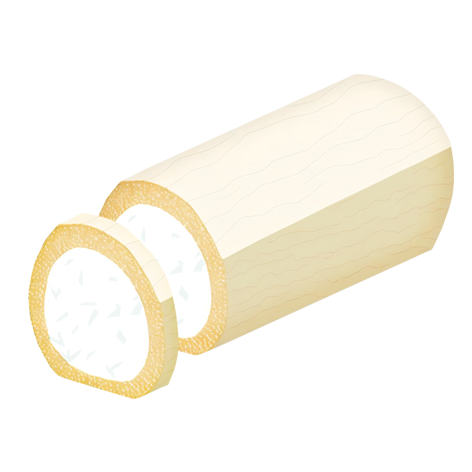
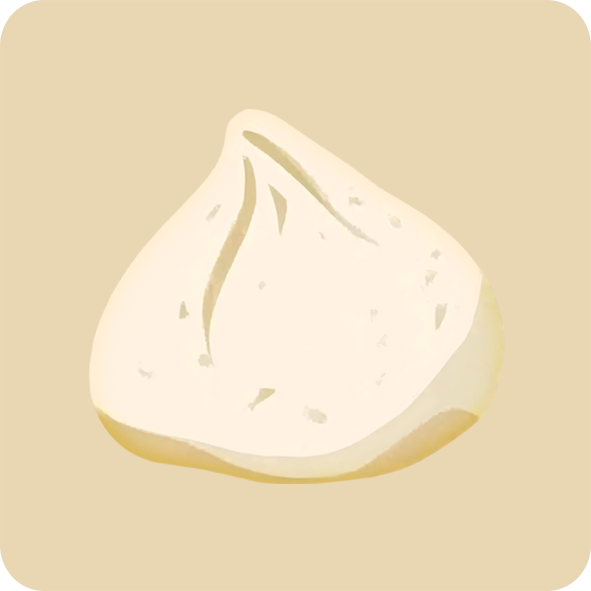
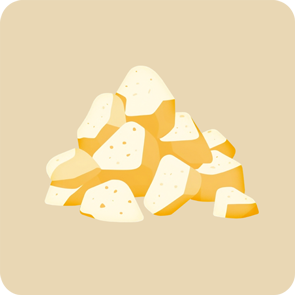
Goat Cheese
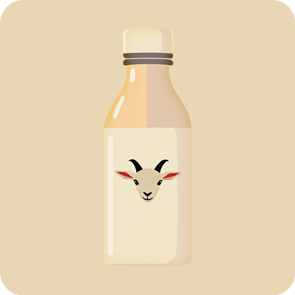
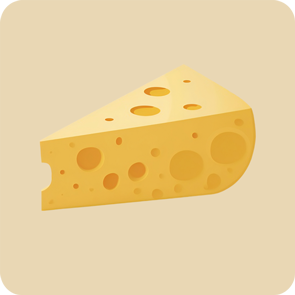
A soft, tangy cheese made from goat’s milk, goat cheese has a distinctive flavor and creamy texture that works well in salads, spreads, and cooking.
100
1 slice
(30 grams)
CAL
D
Nutri-Score
Contains protein, calcium, and beneficial fats, but can be relatively high in sodium.
Value per 100 grams & per cup (150g):
365 kcal | 545 kcal
Protein
22 grams | 33 grams
Fats
30 grams | 45 grams
Carbohydrates
2 grams | 3 grams
Fiber
None
Vitamins & Nutrients
- Calcium: Supports bone health and muscle function.
- Vitamin A: Important for vision and immune health.
- Vitamin B2 (Riboflavin): Helps with energy metabolism.
- Phosphorus: Works with calcium to build strong bones and teeth.
Satiety and Feelings
Goat cheese is rich in healthy fats and protein, which provide a satisfying, creamy texture and moderate fullness. However, it contains little to no fiber, so it might not keep you full for long periods.
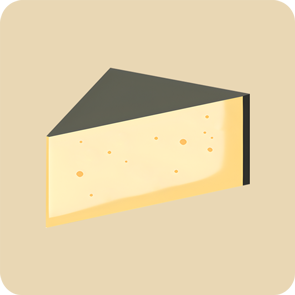
What does 1 slice look like?
About the size of a credit card, roughly 6 cm (2.4 inches) wide, 4 cm (1.6 inches) long, and about 5 mm (1/5 inch) thick.
What does 100 g look like?
About 3.5 slices of goat cheese, or roughly 2/3 of a standard cup (150 grams).
What does 2000 | 2500 calories look like?
Around 29 slices or 13 cups crumbled (3.9 kg / 8.6 lbs).
Daily Value per 100 grams %
Did you know?
Goat cheese has been made for over 7,000 years and was one of the first cheeses consumed by humans.
It is naturally easier to digest for many people compared to cow’s milk cheese.
The tangy flavor comes from unique fatty acids in goat’s milk, which also contribute to its distinct aroma.
It pairs excellently with fruits, nuts, and honey in culinary dishes.
Drawbacks ⚠️
Can be high in sodium, which may affect blood pressure when eaten excessively.
Contains saturated fats, which might impact heart health if consumed in large amounts.
Being a dairy product, it may not be suitable for those with lactose intolerance or dairy allergies.