Clarified Butter
Cooking Cream
Cottage Cheese
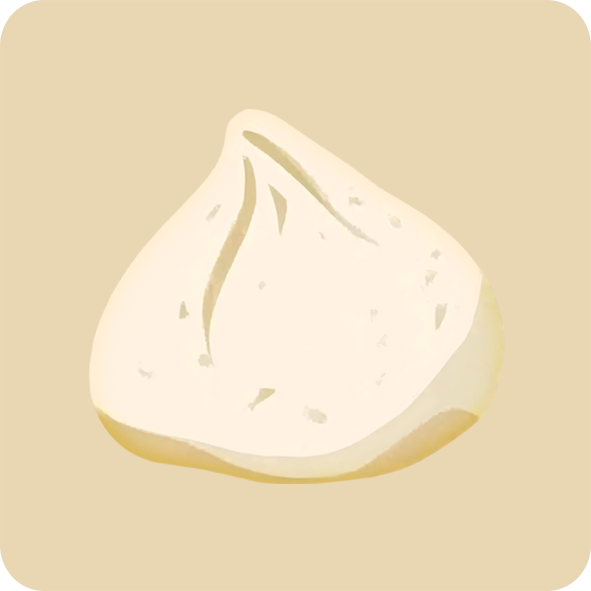
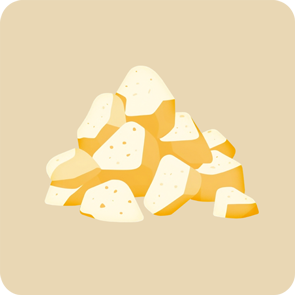
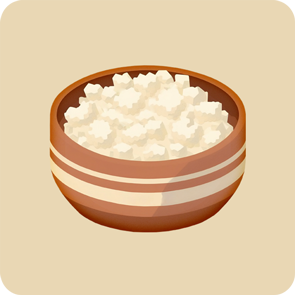
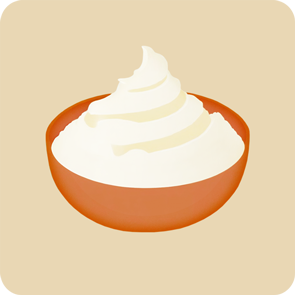
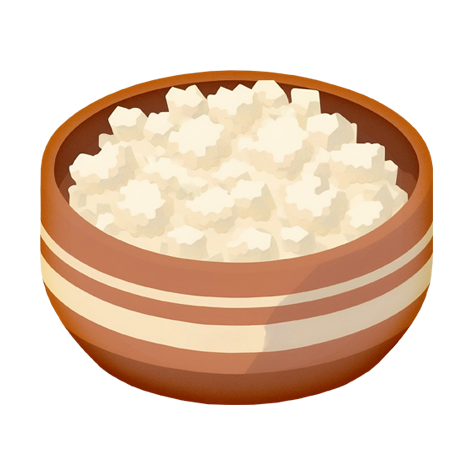
A soft, creamy, and mild cheese made from curds, cottage cheese is often eaten on its own, mixed with fruit, or used in cooking and baking.
205
1 cup
(120 grams)
CAL
B
Nutri-Score
High in protein, calcium, and low fat.
Value per 100 grams & per cup (210g):
100 kcal | 205 kcal
Protein
10 grams | 23 grams
Fats
5 grams | 8 grams
Carbohydrates
3 grams | 6 grams
Fiber
None
Vitamins & Nutrients
- Calcium: Supports strong bones and teeth.
- Vitamin B12: Important for nerve function and red blood cell production.
- Riboflavin (Vitamin B2): Aids energy metabolism.
- Phosphorus: Works with calcium to strengthen bones.
Satiety and Feelings
Cottage cheese is rich in protein and low in fat, helping provide a feeling of fullness and sustained energy. Its creamy texture makes it satisfying while being relatively low in calories.
What does 100 g look like?
Just under half a cup of cottage cheese.
What does 2000 | 2500 calories look like?
About 20 cups or 2.3 kg (5 lbs) of cottage cheese.
Daily Value per 100 grams %
Did you know?
Cottage cheese is one of the few cheeses that doesn’t undergo aging or pressing, making it fresh and mild.
It is high in casein protein, which digests slowly and can help with muscle repair overnight.
Popular in weight loss and fitness diets due to its high protein and low calorie profile.
Cottage cheese is used in many cuisines around the world, including Russian blini and Italian lasagna.
Drawbacks ⚠️
Some brands can be high in sodium, so check labels if watching salt intake.
Contains lactose, so may not be suitable for those who are lactose intolerant.
As a fresh cheese, it can spoil quickly if not stored properly.