Soursop

Rambutan

Salek
An unique fruit with a crisp texture and sweet, tangy flavor, making it a refreshing and healthy snack.
80
1 fruit
(100 grams)
CAL
B
Nutri-Score
Moderately low in calories, high in fiber, and rich in antioxidants.
Value per 100 grams & per cup (150g):
80 kcal / 125 kcal
Protein
0.7 grams / 1 grams
Fats
0.4 grams / 0.6 grams
Carbohydrates
22.3 grams / 33.5 grams
Fiber
2.6 grams / 3.9 grams
Vitamins & Nutrients
- Vitamin B6: Supports brain health and helps convert food into energy.
- Potassium: Helps regulate blood pressure and fluid balance.
- Copper: Supports red blood cell production and immune function.
- Manganese: Supports bone health and antioxidant defense.
Satiety and Feelings
Salak has a firm and crunchy texture with a sweet yet tangy flavor. It's refreshing and hydrating, ideal for snacking or adding to fruit salads.
What does 100 g look like?
About one medium salek fruit or 1/2 cup.
What does 2000/2500 calories look like?
About 25 salek fruits.
Daily Value per 100 grams %
Did you know?
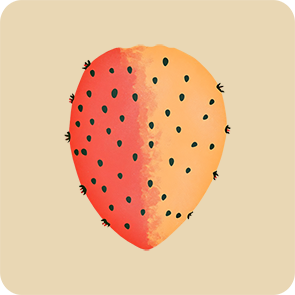
Salak (also known as Salacca zalacca or Snake Fruit) is native to Indonesia and is commonly grown in Southeast Asia, especially in Bali, where it is often referred to as “snake fruit” due to its scaly skin.
The fruit’s sharp, reddish-brown scales are edible and protect the fruit from pests, making it a unique and intriguing fruit.
Salak has a history in traditional medicine, where its flesh is used to treat digestive issues and as an antioxidant-rich remedy.
Drawback ⚠️
The scaly skin can be difficult to peel, requiring some patience to enjoy the fruit.
Salak is high in natural sugars, so it should be consumed in moderation, especially for those watching their sugar intake.
The fruit’s firmness and texture might be off-putting to some people, as it can be quite different from more traditional fruits.