Quince

Pomelo
Prickly Pear
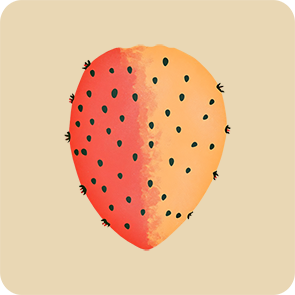
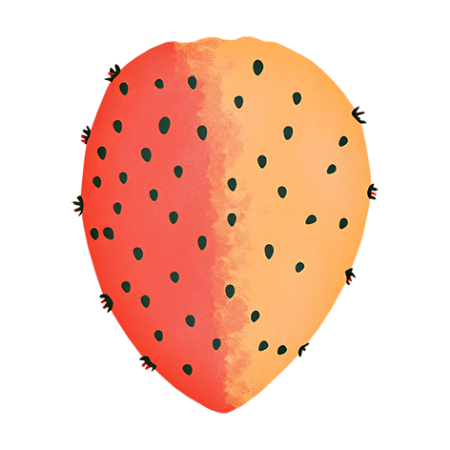
A vibrant cactus fruit known for its sweet, juicy flesh and high fiber content. It's rich in antioxidants and can be enjoyed fresh or in juices.
60
1 medium fruit
(150 grams)
CAL
B
Nutri-Score
Low in calories and a good source of fiber, but moderate in sugar content.
Value per 100 grams & per cup (150g):
40 kcal / 60 kcal
Protein
1.5 grams / 2.3 grams
Fats
0.2 grams / 0.3 grams
Carbohydrates
13 grams / 19.5 grams
Fiber
3 grams / 4.5 grams
Vitamins & Nutrients
- Vitamin C: Important for immune function and skin health.
- Magnesium: Supports nerve and muscle function.
- Calcium: Important for bone health.
- Iron: Essential for blood health and oxygen transport.
Satiety and Feelings
The flesh of prickly pear is juicy and hydrating, offering a mildly sweet and slightly tangy taste. It’s a refreshing fruit that’s great for hot weather.
What does 100 g look like?
One medium-sized prickly or approximately ½ cup of peeled and chopped fruit.
What does 2000/2500 calories look like?
About 45 prickly pears.
Daily Value per 100 grams %
Did you know?
Prickly Pears are native to the Americas, especially Mexico, and were a staple in the diets of indigenous peoples.
The bright color of the prickly pear is caused by natural betalains, which also give the fruit its rich antioxidant properties.
Prickly pears are known for their hydrating properties due to their high water content (around 85%).
Drawback ⚠️
The spines of prickly pears are sharp, and handling them can be tricky unless you remove the spines properly.
Overconsumption of the fruit can lead to mild stomach discomfort due to its high fiber content.
Unripe prickly pears can be tough to eat and have a bitter taste.