Asian Pear

Akebi
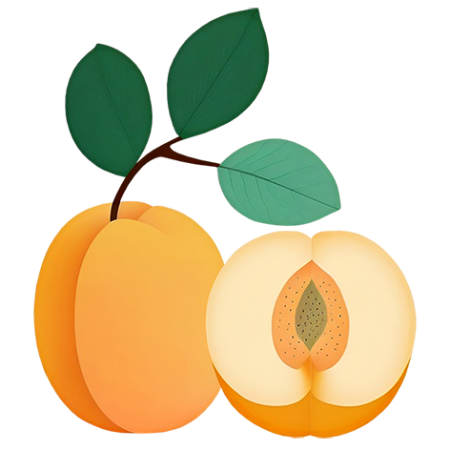
Apricot
Apricots are small, soft fruits with a sweet-tart taste. Packed with vitamin A and fiber, they’re a light, healthy snack — fresh or dried!
15
1 medium fruit
(35 grams)
CAL
A
Nutri-Score
High in fiber, low in sugar, and rich in antioxidants.
Value per 100 grams & per cup (155g):
50 kcal / 75 kcal
Protein
1.4 grams / 1.5 grams
Fats
0.4 grams / 0.5 grams
Carbohydrates
11 grams / 12 grams
Fiber
2 grams / 2.5 grams
Vitamins & Nutrients
- Vitamin A (beta-carotene): Supports eye and skin health.
- Vitamin C: Boosts immune function and collagen production.
- Potassium: Helps regulate blood pressure and hydration.
- Antioxidants (polyphenols): Protect against oxidative stress.
Satiety and Feelings
Apricots are refreshing and slightly tart, with a juicy bite that can help curb hunger. Their fiber content supports digestion and keeps you feeling full longer.
What does 100 g look like?
About 3 medium apricots or a small handful of halved apricots.
What does 2000/2500 calories look like?
About 130 apricots (4.5 kg - 10 lbs).
Daily Value per 100 grams %
Vitamin A
10%
Vitamin C
10%
Potassium
5%
Iron
2%
Fiber
10%
Protein
2%
Sodium (Salt)
0%
Carbohydrates
5%
Total Fat
0%
Saturated Fat
Saturated Fat
0%
Cholesterol (free)
0%
Sugar (natural)
10%
Calories
2%
Did you know?
- Apricots are closely related to peaches, plums, and cherries.
- Dried apricots contain more concentrated nutrients but also more sugar.
- The kernels inside apricot pits contain amygdalin, which can release cyanide when consumed in high amounts.
Drawback
- Can be acidic, potentially irritating to sensitive stomachs.
- Overripe apricots spoil quickly due to their high moisture content.
- Dried apricots may contain added sulfites, which can cause allergies in some people.