Salak

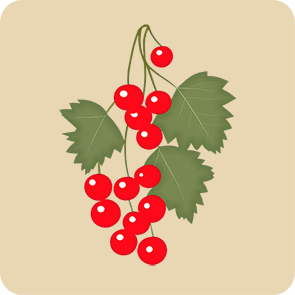
Quince

Rambutan
A tropical fruit with a sweet, juicy interior and a vibrant, hairy red and green skin, rambutan is a refreshing treat packed with nutrients
20
1 medium fruit
(30 grams)
CAL
A
Nutri-Score
High in fiber, rich in antioxidants, and naturally low in fat.
Value per 100 grams & per cup (190g):
70 kcal / 130 kcal
Protein
1 gram / 1.5 grams
Fats
0.2 grams / 0.4 grams
Carbohydrates
16.5 grams / 31.5 grams
Fiber
1 grams / 1.5 grams
Vitamins & Nutrients
- Vitamin C: Supports immune function and skin health.
- Iron: Important for red blood cell production.
- Calcium: Supports bone health.
- Magnesium: Vital for muscle function and energy production.
Satiety and Feelings
Rambutan has a refreshing, juicy texture with a mildly sweet flavor, offering a cool and satisfying snack, especially in tropical climates.
What does 100 g look like?
About 5 rambutan or 1/2 cup of peeled, fleshy rambutan.
What does 2000/2500 calories look like?
About 35 rambutan.
Daily Value per 100 grams %
Did you know?
Rambutan is native to the Malay Archipelago and other regions of Southeast Asia, where it’s widely cultivated.
It’s a close relative to the lychee, sharing a similar sweet flavor but with a unique spiky skin.
The name “rambutan” comes from the Malay word “rambut,” meaning “hair,” which refers to the fruit’s spiky exterior.
Drawback ⚠️
Rambutan can be difficult to peel, and its hairy skin might be off-putting to some people.
Its sweet flavor can be quite sugary, so it’s best to consume in moderation if you’re watching your sugar intake.
Some people may experience mild digestive issues when eating too many rambutans due to their fiber content.
- Canned Rambutan are often packed in syrup, significantly increasing their sugar content and calories, making them less nutritious than fresh lychees.