Date

Galia Melon

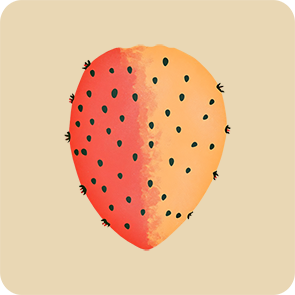
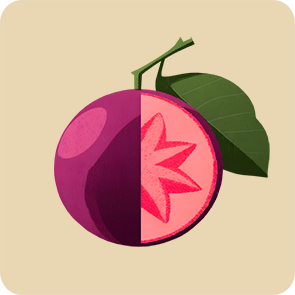
Dragon Fruit
Pitaya fruit, is a strikingly colorful tropical fruit with a mildly sweet flavor and a refreshing, crunchy texture
180
1 medium fruit
(300 grams)
CAL
A
Nutri-Score
Low in fat and calories, high in fiber and vitamin C.
Value per 100 grams & per cup (150g):
60 kcal / 90 kcal
Protein
1.2 grams / 1.8 grams
Fats
0.1 grams / 0.2 grams
Carbohydrates
9 grams / 13.5 grams
Fiber
3 grams / 4.5 grams
Vitamins & Nutrients
- Vitamin C: Supports immune function, skin health, and acts as a powerful antioxidant.
- Magnesium: Essential for muscle and nerve function, supports heart health.
- Iron: Important for the production of hemoglobin and the transport of oxygen in the blood.
- B Vitamins (B1, B3, B6): Help with energy metabolism and the formation of red blood cells.
Satiety and Feelings
Pitaya has a light, refreshing texture that’s both hydrating and mildly sweet. It’s great for satisfying sweet cravings while providing a low-calorie, nutrient-dense snack.
What does 100 g look like?
About 1/3 of a medium-sized dragon fruit, a handful of small cubes or 1/2 cup of cubed fruit.
What does 2000/2500 calories look like?
About 15 medium sized fruits.
Daily Value per 100 grams %
Did you know?
Origin: Native to Central America, pitaya is now grown in many tropical regions, including Vietnam, Thailand, and the Philippines.
Flowering Plant: The dragon fruit, a night-blooming cactus, blooms a large, beautiful flower only at night, often called the “Queen of the Night.” Typically pollinated by bats, moths, and bees or commercially by hand. The plants are often used as natural fences or barriers due to their spiny nature.
Pitaya Varieties: There are three common varieties of pitaya: pink-skinned with white flesh, pink-skinned with red flesh, and yellow-skinned with white flesh.
- Dragon fruit is sometimes called a “superfruit” due to its high levels of antioxidants, fiber, and essential vitamins like C and B1 (thiamine). The seeds of dragon fruit are edible and contain healthy fats, particularly omega-3 fatty acids, which support heart health.
Drawback
High in water content, dragon fruit may not be as filling compared to other fruits, which can lead to overconsumption.
Some people may experience digestive discomfort due to the high fiber content if consumed in large amounts.
Dragon fruit is typically expensive and may not always be available in some regions, especially outside of tropical climates.
Calcium Absorption: Pitaya contains some oxalates, which could potentially interfere with calcium absorption if consumed in very large quantities.