Gooseberry

Blackcurrant
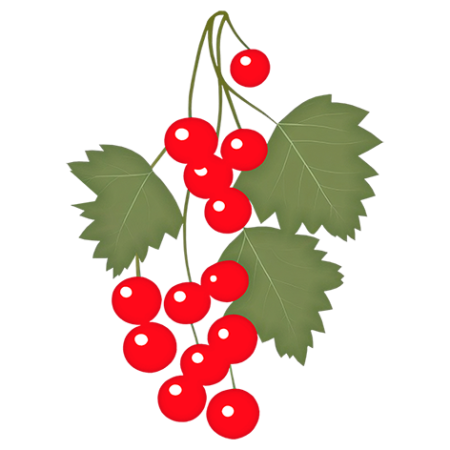
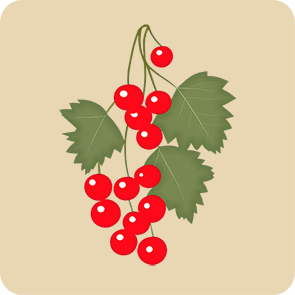
Redcurrant
Small, tart berries packed with vitamin C and antioxidants, often used in jams, juices, and baked goods.
5
10 berries
(10 grams)
CAL
A
Nutri-Score
Low in calories, packed with vitamin C, and antioxidants.
Value per 100 grams & per cup (110g):
55 kcal / 65 kcal
Protein
1.5 grams / 1.5 grams
Fats
0.2 grams / 0.3 grams
Carbohydrates
13 grams / 15 grams
Fiber
4.5 grams / 5 grams
Vitamins & Nutrients
- Vitamin C: Boosts immune function and skin health.
- Vitamin K: Supports bone health and blood clotting.
- Potassium: Helps maintain fluid balance and proper muscle function.
- Manganese: Supports metabolism and bone health.
- Anthocyanins: Antioxidants that help fight oxidative stress.
Satiety and Feelings
Red currants have a juicy, tangy flavor that is both refreshing and slightly sour. They’re hydrating and provide a satisfying burst of flavor.
What does 100 g look like?
About 75 berries or roughly ½ cup.
What does 2000/2500 calories look like?
About 2500 berries or 40 cups.
Daily Value per 100 grams %
Did you know?
Red currants are rich in vitamin C, providing over 30% of your daily needs in just 100 grams.
Red currants are native to Europe, with historical use dating back to the 16th century in Europe for medicinal and culinary purposes.
The red color of the fruit comes from anthocyanins, which are powerful antioxidants that help fight oxidative stress.
Drawback ⚠️
Red currants are very tart and may not be enjoyable to eat raw for everyone, especially for those who prefer sweeter fruits.
Fresh red currants have a short shelf life, which can limit their availability in stores outside of their harvest season.
When processed into jams or syrups, red currants often contain added sugar, which can increase their calorie content and reduce their health benefits.