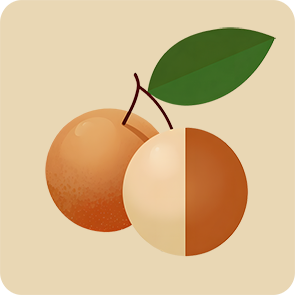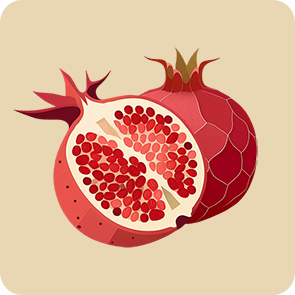
Rose Apple

Loquat

Lychee
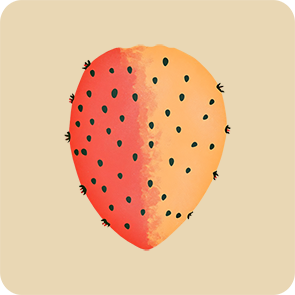
A tropical fruit known for its sweet, juicy flesh and unique, rough red skin. It's a popular fruit in Asian cuisines and has a fragrant, floral taste.
5
without shell
(10 grams)
CAL
A
Nutri-Score
Low in calories, rich in vitamin C, antioxidants, and hydration
Value per 100 grams & per cup (190g):
65 kcal / 125 kcal
Protein
0.8 grams / 1.5 grams
Fats
0.5 grams / 0.8 grams
Carbohydrates
16.5 grams / 31.5 grams
Fiber
1.3 grams / 2.5 grams
Vitamins & Nutrients
- Vitamin C: Enhances immune function and promotes skin health.
- Copper: Helps with red blood cell formation and energy production.
- Potassium: Regulates fluid balance and supports muscle function.
- Magnesium: Promotes muscle relaxation and nerve function.
Satiety and Feelings
Lychees are sweet and juicy with a floral aroma. They provide hydration and are often used in desserts, smoothies, or eaten fresh.
What does 100 g look like?
About 5 lychee fruits or ½ cup of peeled lychee.
What does 2000/2500 calories look like?
About 35 lychee fruits.
Daily Value per 100 grams %
Did you know?
Lychee is native to southern China and is often associated with the Chinese Lunar New Year celebrations.
The name “Lychee” comes from the Cantonese word “lìzhī.”
Lychee is a rich source of antioxidants, including flavonoids, which help fight oxidative stress.
Drawback ⚠️
Lychees are high in natural sugars, so excessive consumption may affect blood sugar levels.
The seeds of lychee can be toxic if consumed in large quantities, so they should be discarded.
Lychees can cause allergic reactions in some people, leading to symptoms like rashes and swelling.
- Canned lychees are often packed in syrup, significantly increasing their sugar content and calories, making them less nutritious than fresh lychees.