French Roll
Sweet Pickle Relish
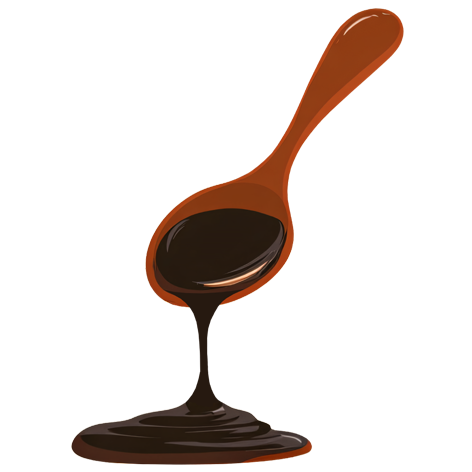
Molasses
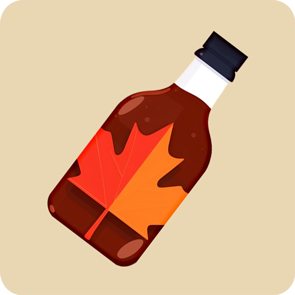
Molasses is a thick, dark syrup produced during the sugar extraction process from sugarcane or sugar beets. It is commonly used in baking, marinades, sauces, and beverages.
60
1 tbsp
(10 grams)
CAL
D
Nutri-Score
Contains minerals like iron, calcium, and potassium, but is high in sugar and provides no protein or fat.
Value per 100 grams & per cup (240gr):
290 kcal | 930 kcal
Protein
0 grams | 1 gram
Fats
None
Carbohydrates
75 grams | 240 grams
Fiber
None
Vitamins & Nutrients
- Iron: Supports oxygen transport in the blood.
- Calcium: Helps maintain strong bones and teeth.
- Potassium: Supports muscle and nerve function.
- Magnesium: Contributes to normal muscle and nerve activity.
Satiety and Feelings
Molasses feels thick and rich, giving quick energy due to its high sugar content. However, with no fiber, fat, or protein, it does not provide lasting fullness.
What does 100 grams look like?
About ⅓ cup of thick syrup, similar in volume to honey.
What does 2000 | 2500 calories look like?
About 2 ⅓ cups of molasses.
Daily Value per 100 grams %
Did you know?
Molasses is a byproduct of sugar production, turning what would be waste into a nutrient-rich syrup.
Blackstrap molasses, the most concentrated type, contains more minerals than light or dark molasses.
Historically, molasses was used in rum production and baking traditional gingerbread.
Its distinct, robust flavor adds depth to both sweet and savory dishes.
Drawbacks ⚠️
Very high in sugar, which can spike blood glucose.
Low in protein and fat, so provides energy but little satiety.
Can have a strong, slightly bitter flavor in large amounts.