
Peanut Butter

Mustard
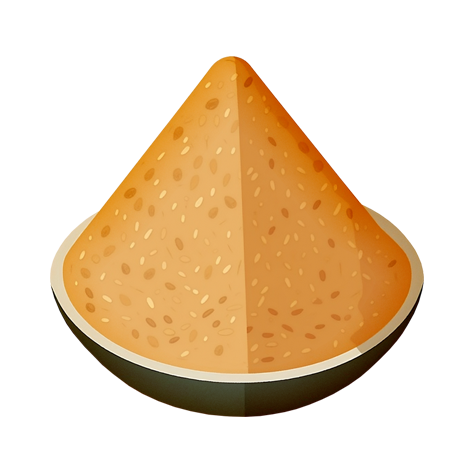
Miso
A fermented soybean paste used in Japanese cooking, miso paste adds a savory umami flavor to soups, marinades, and sauces.
35
1 tbsp
(20 grams)
CAL
E
Nutri-Score
Contains protein, probiotics, and minerals, but also high in sodium.
Value per 100 grams & per cup (260gr):
200 kcal | 525 kcal
Protein
12 grams | 30 grams
Fats
5 grams | 15 grams
Carbohydrates
25 grams | 70 grams
Fiber
5 grams | 15 grams
Vitamins & Nutrients
- Vitamin K: Supports bone health and blood clotting.
- Zinc: Aids immune system and wound healing.
- Probiotics: Promote a healthy gut microbiome.
- Manganese: Helps with enzyme function and bone development.
Satiety and Feelings
Miso paste is rich in flavor and contains protein and fiber, which contribute to mild satiety, though it's typically used in small quantities.
What does 100 grams look like?
About 5½ tablespoons or ⅜ cup of miso paste.
What does 2000 | 2500 calories look like?
About 10½ cups (1,000 grams / 2.2 lbs)
Daily Value per 100 grams %
Did you know?
Miso paste has been used in Japan for over 1,300 years as a staple seasoning.
The umami flavor comes from fermented soybeans, which develop their taste over months or even years.
There are several types of miso: white (shiro), red (aka), and mixed (awase), each with a different fermentation time and flavor strength.
Miso is a natural source of probiotics, especially if unpasteurized.
Drawbacks ⚠️
Very high in sodium, which can raise blood pressure if consumed in excess.
Some pasteurized versions contain fewer beneficial probiotics.
Can be high in phytoestrogens, which may affect hormone-sensitive individuals.