Pesto

Brown Sauce
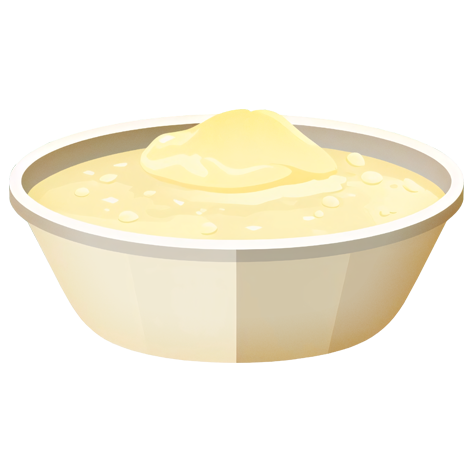
Horseradish
A pungent root often used as a condiment or sauce, it adds a sharp, spicy kick to meats, dressings, and sandwiches. Typically found in grated or creamy form, it's prized for its intense flavor and sinus-clearing heat.
5
1 tbsp
(15 ml)
CAL
C
Nutri-Score
Contains fiber, antioxidants, and vitamin C, but high in sodium.
Value per 100 ml & per cup (240ml):
50 kcal | 115 kcal
Protein
1 gram | 3 grams
Fats
0.2 grams | 0.5 grams
Carbohydrates
11 grams | 26.5 grams
Fiber
3.5 grams | 8 grams
Vitamins & Nutrients
- Vitamin C: Boosts immune health and acts as a powerful antioxidant.
- Potassium: Helps regulate blood pressure and supports muscle function.
- Glucosinolates: Natural compounds that may have anti-cancer properties.
Satiety and Feelings
Horseradish is low-calorie but fiber-rich, offering a slight feeling of fullness. Its strong taste means you only need small amounts to feel satisfied.
What does 100 ml look like?
Roughly 6 ½ tablespoons or a bit less than ½ cup of grated horseradish.
What does 2000 | 2500 calories look like?
12 cups grated (3 kg / 6.5 lbs.)
Daily Value per 100 milliliters %
Did you know?
Horseradish has been used for over 3,000 years in cooking and medicine.
It contains allyl isothiocyanate, a natural compound that gives it its sharp heat, similar to wasabi.
Unlike chili, its heat hits the nose, not the tongue.
It was traditionally used to treat respiratory and urinary infections.
Drawbacks ⚠️
Can be high in sodium if store-bought (especially creamy sauces).
Its strong heat can irritate sinuses or stomachs if eaten in large amounts.
Some versions include preservatives and sugar.
May cause issues for people with thyroid disorders due to glucosinolates.