Palm Oil

Rice Oil
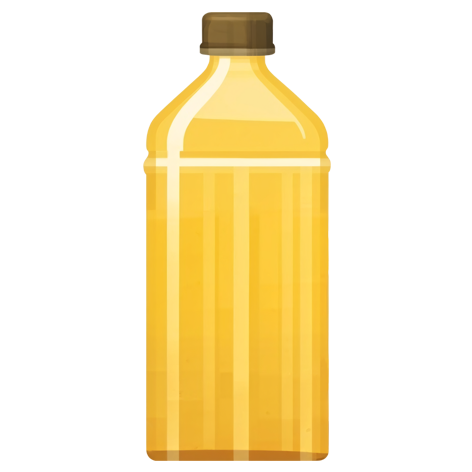
Peanut Oil
Smooth and light, peanut oil is often used in Asian cuisines and deep-frying due to its heat stability and neutral taste.
130
1 tbsp
(15 ml)
CAL
C
Nutri-Score
Rich in monounsaturated fats.
Value per 100 ml & per cup (240ml):
885 kcal | 2122 kcal
Protein
None
Fats
100 grams | 240 grams - monounsaturated fats*
Carbohydrates
None
Fiber
None
Vitamins & Nutrients
- Vitamin E: Protects cells from oxidative damage.
- Phytosterols: May help reduce cholesterol absorption in the body.
Satiety and Feelings
Peanut oil is rich in fat and energy-dense, which can help with short-term satiety, but as a pure fat, it lacks fiber and protein for prolonged fullness.
What does 100 mililiters look like?
Roughly 7 tablespoons or a little under ½ cup of peanut oil.
What does 2000 | 2500 calories look like?
About 1 cup (240 milliliters / ~220 grams) of peanut oil.
Daily Value per 100 mililiter %
Did you know?
Peanut oil is one of the most commonly used frying oils due to its high smoke point (around 450°F or 232°C).
It’s naturally cholesterol-free and rich in monounsaturated fats, similar to those found in avocados and olive oil.
Refined peanut oil is often safe for people with peanut allergies, as allergens are typically removed during processing.
It contains resveratrol, a compound with potential antioxidant and anti-inflammatory properties.
Drawbacks ⚠️
Like all oils, it is calorie-dense and can contribute to weight gain if overconsumed.
Some peanut oils are highly refined, which may reduce beneficial compounds.
People with severe peanut allergies should consult a doctor before using—even refined versions