Sunflower Oil
Vinegar

Vegetable Oil
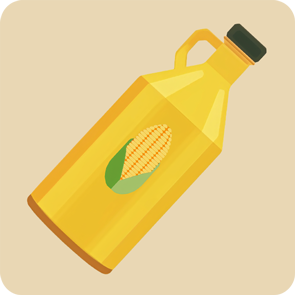
Vegetable oil is often a blend of oils such as soybean, corn, and sunflower. A widely used cooking oil due to its neutral flavor, affordability, and high smoke point, making it common in frying and processed foods.
130
1 tbsp
(15 ml)
CAL
D
Nutri-Score
High in omega-6 fatty acids, with minimal vitamins.
Value per 100 ml & per cup (240ml):
885 kcal | 2120 kcal
Protein
None
Fats
100 grams | 240 grams
Carbohydrates
None
Fiber
None
Vitamins & Nutrients
- Vitamin E: Present in small amounts; acts as an antioxidant.
- Omega-6 fatty acids: Essential fats, but may contribute to inflammation when not balanced with omega-3s.
Satiety and Feelings
Due to its pure fat content, vegetable oil is calorie-dense and can contribute to short-term satisfaction, but offers no fiber or protein to support longer-lasting fullness.
What does 100 mililiters look like?
About 7 tablespoons or slightly less than ½ cup.
What does 2000 | 2500 calories look like?
About 1 cup (240 milliliters / ~210 grams).
Daily Value per 100 mililiter %
Did you know?
The term “vegetable oil” usually refers to a blend of plant-based oils like soybean, corn, canola, and sunflower.
It became popular in the 20th century as a cheaper alternative to animal fats.
Refined vegetable oils are highly processed to improve shelf life and flavor.
Some blends may be fortified with vitamins, but most have little natural nutrient content.
Drawbacks ⚠️
Often ultra-processed and may contain residual chemicals from refining.
High in omega-6 fatty acids, which can disrupt inflammatory balance if consumed excessively.
Lacks micronutrients, unless fortified.
Easily overused due to neutral flavor and invisibility in cooked dishes.