Blackberry

Kiwi
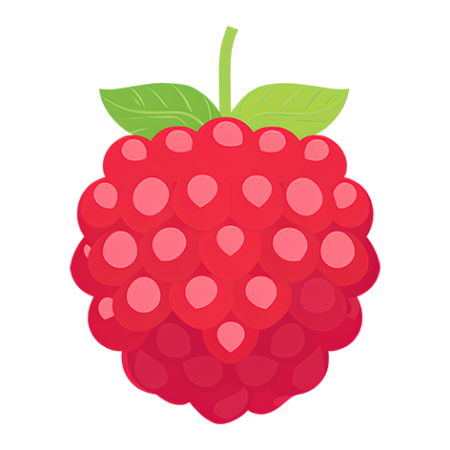
Raspberry
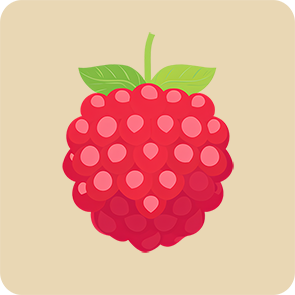
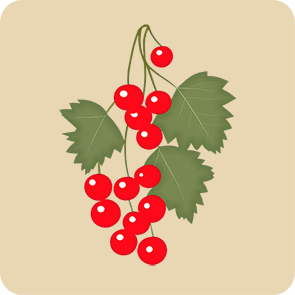
Vibrant red, tart berries known for their high fiber content and rich antioxidant properties, making them a nutritious addition to many dishes.
5
10 berries
(10 grams)
CAL
A
Nutri-Score
Rich in antioxidants, fiber, and low in calories.
Value per 100 grams & per cup (125g):
50 kcal / 65 kcal
Protein
1.5 grams / 1.8 grams
Fats
0.5 grams / 0.7 grams
Carbohydrates
12 grams / 14.5 grams
Fiber
6.5 grams / 8.0 grams
Vitamins & Nutrients
- Vitamin C: Boosts immune function and skin health.
- Vitamin K: Important for blood clotting and bone health.
- Folate: Essential for cell division and growth.
- Manganese: Supports bone health and metabolism.
Satiety and Feelings
Raspberries are high in fiber and water, which help keep you feeling full longer while being low in calories. Their natural sweetness also makes them a satisfying, guilt-free treat.
What does 100 g look like?
About 25–30 berries, or roughly 1 cup.
What does 2000/2500 calories look like?
About 1200 raspberries.
Daily Value per 100 grams %
Did you know?
Raspberries have been cultivated for over 2,000 years, with origins traced back to Eastern Europe and Asia.
Raspberries are not technically berries from a botanical standpoint, as their seeds are on the outside, but they are commonly referred to as such.
The red raspberry is a member of the rose family, sharing the same genus as strawberries.
Drawback
Raspberries can be quite fragile and may spoil quickly, so they need to be consumed or stored carefully.
Some people may experience digestive discomfort from the high fiber content if eaten in large amounts.
The seeds in raspberries, while edible, can be difficult for some people to digest.