Fruit Tart

Ginger Cookie
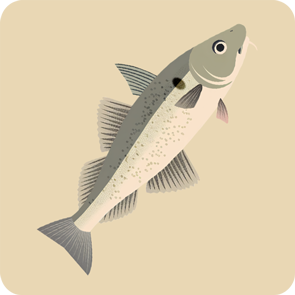
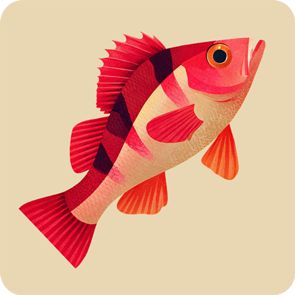
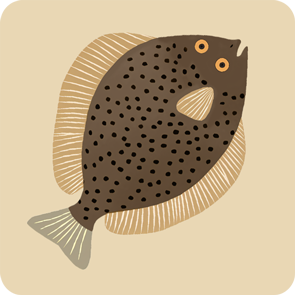
Red Perch
A firm, reddish-orange fish, red perch is a lean source of high-quality protein. Its subtle flavor and low fat content make it perfect for baking, grilling, or pan-searing.
120
1 medium fillet
(100 grams)
CAL
A
Nutri-Score
High in protein, low in fat, and a great source of essential vitamins and minerals.
Value per 100 grams & per cup (150g):
80 kcal | 120 kcal
Protein
17 grams | 25.5 grams
Fats
1.5 grams | 2 grams
Carbohydrates
None
Fiber
None
Vitamins & Nutrients
- Vitamin B12: Essential for red blood cell formation and nerve function.
- Phosphorus: Helps maintain strong bones and teeth.
- Selenium: Acts as an antioxidant and supports the immune system.
- Omega-3 fatty acids: Beneficial for heart and brain health, though in modest amounts compared to oily fish.
Satiety and Feelings
Thanks to its high protein content, red perch is filling and satisfying without being heavy. It provides sustained energy and can help with muscle repair and appetite control.
What does 100 g look like?
About 1/3 of a medium fillet or roughly 1/2 cup cooked, flaked fish (size of a deck of playing cards or the palm of your hand (without fingers).
What does 2000/2500 calories look like?
About 22 medium red perch fillets.
Daily Value per 100 grams %
Did you know?
Red perch are also called rockfish in some regions, and they can live for decades—some individuals can reach over 50 years old.
Red perch have spiny dorsal fins that help protect them from predators, making them tricky to swallow.
Despite their name, red perch often appear orange, pink, or reddish-brown depending on water depth and diet.
Drawback
- Red perch are vulnerable to overfishing, especially with high commercial or recreational fishing.
- They can accumulate toxins like mercury or PCBs, posing health risks if eaten often.
- Red perch have spiny fins, making them tricky to handle and prepare.
- Always check for the MSC label.