Monkfish

Octopus
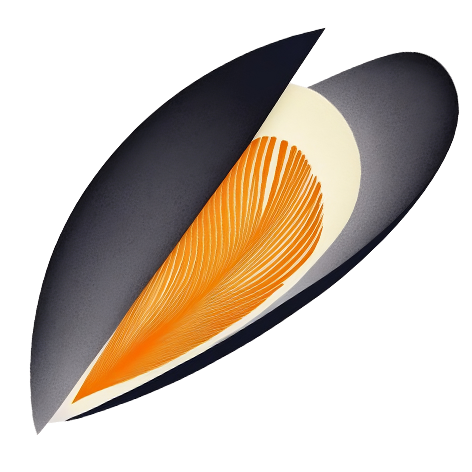
Mussel
Mussels are briny, tender shellfish known for their mild ocean flavor and nutrient density. Popular in dishes like moules marinières or seafood pasta, they’re often steamed in their shells and served with broth, herbs, or garlic butter.
15
1 medium mussel
(15 grams)
CAL
A
Nutri-Score
High in protein, vitamin B12, iron, and omega-3.
Value per 100 grams & per cup (125g):
85 kcal / 105 kcal
Protein
25 grams / 35 grams
Fats
2 grams / 2.5 grams
Carbohydrates
4 grams / 5 grams
Fiber
None
Vitamins & Nutrients
- Vitamin B12: Essential for red blood cell production and nerve health.
- Iron: Supports oxygen transport in the blood.
- Omega-3 Fatty Acids: Promote heart health and reduce inflammation.
- Phosphorus: Important for bone health and energy production.
Satiety and Feelings
Mussels offer a satisfying, hearty meal with a high protein content that can help keep you full for longer.
What does 100 g look like?
About 5 mussels or roughly 1/2 cup cooked.
What does 2000/2500 calories look like?
About 130 mussels (2.5 kg) with shell.
Other types of Mussels (100 grams | 3.5 ounces)
| Species | Calories (per 100g) | Notes |
|---|---|---|
| Blue Mussel | ~172 kcal | Common in European and North American waters; sweet, briny flavor; high in protein. |
| Green-lipped Mussel | ~100 kcal | Native to New Zealand; larger and meatier than blue mussels; often used in supplements for joint health. |
| Black Mussel | ~140 kcal | Found in colder waters; dark shells with a rich, slightly earthy flavor. |
| Pacific Mussel | ~155 kcal | Famous for its large size; popular on the U.S. West Coast; sweet, mild flavor. |
| Prince Edward Island Mussel | ~160 kcal | Harvested from Canada’s PEI; known for its clean, tender meat and briny taste. |
| Mediterranean Mussel | ~135 kcal | Found in warm waters; slightly sweeter flavor compared to other mussels. |
Daily Value per 100 grams %
Vitamin B12 ⭐⭐⭐⭐
100%
Omega-3 fatty acids
15%
Selenium
80%
Iron
20%
Fiber
0%
Protein
35%
Sodium (Salt)
10%
Carbohydrates
2%
Total Fat
2%
Saturated Fat
Saturated Fat
5%
Cholesterol
20%
Sugar (natural)
0%
Calories
10%
Did you know?
- Mussels have been consumed by humans for over 2,000 years, particularly in coastal regions around the world.
- Mussels are filter feeders, meaning they feed by filtering plankton and other microscopic organisms from the water.
- They are an eco-friendly choice since mussels help improve water quality by filtering out pollutants from the water.
- Mussels can live up to 20 years in the wild, and they can grow up to 10 inches in size.
- Mussels are often farmed in sustainable systems, with minimal environmental impact.
Drawback
Mussels may contain high levels of sodium depending on how they are prepared, which could affect blood pressure in individuals on sodium-restricted diets.
They can be a source of allergic reactions for people with shellfish allergies.
If not cooked properly, mussels can pose a risk of foodborne illness, as they may carry bacteria or toxins.
- Always check for the MSC label.