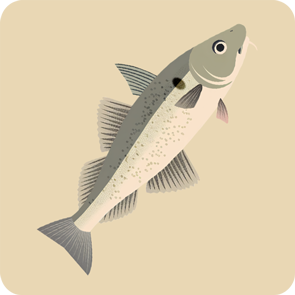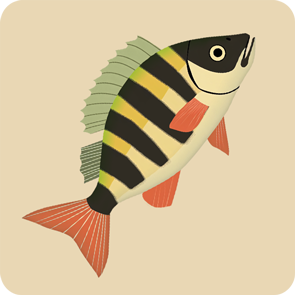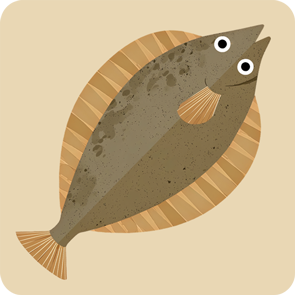
Trout

Turbot
Tuna
A lean, flavorful fish, tuna is an excellent choice for those looking for a protein-packed meal. Rich in essential omega-3 fatty acids, it’s perfect for those following a heart-healthy diet.
290
1 medium steak, raw
(Yellowfin)
(200 grams / 7 ounces)
CAL
A
Nutri-Score
High in protein and omega-3 fatty acids.
Value per 100 grams & per cup (150g):
145 kcal | 215 kcal
Protein
25 grams | 35 grams
Fats
4 grams | 6 grams
Carbohydrates
None
Fiber
None
Vitamins & Nutrients
- Vitamin D: Supports immune health and bone strength.
- Omega-3 Fatty Acids: Beneficial for heart health and reducing inflammation.
- Potassium: Helps balance fluids and regulate muscle function.
- Magnesium: Contributes to muscle and nerve function.
Satiety and Feelings
Tuna provides a satisfying, protein-packed option that can keep you feeling full for hours, supporting muscle recovery and maintaining energy levels.
What does 100 g look like?
About 1/3 of a medium-sized tuna filet (about the size of a deck of cards).
What does 2000 | 2500 calories look like?
About 10 medium filets (2 kg | 4 lbs).
Other types of Tuna (200 grams | 7 ounces)
| Species | Calories (per 200g) | Notes |
|---|---|---|
| Albacore Tuna | ~265 kcal | Also known as 'white tuna'; higher in fat and omega-3s compared to other species. |
| Skipjack Tuna | ~290 kcal | Commonly used in canned 'light' tuna; lean and widely available. |
| Yellowfin Tuna | ~265 kcal | Known as 'ahi' in Hawaiian cuisine; lean with a mild flavor. |
| Bluefin Tuna | ~290 kcal | Rich and fatty; prized in sushi dishes; higher calorie content due to fat. |
| Bigeye Tuna | ~290 kcal | Similar to yellowfin but with higher fat content; often used in sashimi. |
| Longtail Tuna | ~265 kcal | Also known as 'northern bluefin'; lean and less commonly found. |
Daily Value per 100 grams %
Vitamin B12 ⭐⭐⭐
100%
Omega-3 fatty acids ⭐
100%
Vitamin B3 (Niacin) ⭐
100%
Selenium ⭐
100%
Fiber
0%
Protein
60%
Sodium (Salt)
1%
Carbohydrates
0%
Total Fat
1%
Saturated Fat
Saturated Fat
1%
Cholesterol
15%
Sugar
0%
Calories
5%
Did you know?
- Some tuna species are warm-blooded, capable of regulating their body temperature, which helps them survive in colder, deeper waters.
- The largest tuna ever caught was a Bluefin tuna weighing 679 kg (1,496 lbs) and measuring about 3.7 meters (12 feet) in length. It was caught off the coast of Nova Scotia, Canada, in 1979.
- Bluefin tuna, the most prized variety, is highly endangered due to overfishing.
- The commercial types of tuna are the Bluefin, Albacore, Yellowfin, Bigeye, and Skipjack. Each have their unique characteristics, from the rich flavor of Bluefin used in sushi to the light flavor of Skipjack commonly found in canned.
- The most commonly sold raw tuna in stores is Yellowfin due to its mild flavor, firm texture, and wide availability for sushi, sashimi, and poke bowls. Other species like Bluefin or Bigeye, which are often reserved for high-end restaurants due to their cost and availability concerns.
Drawback
High in mercury, which can accumulate in the body and cause health issues over time if consumed excessively.
Can be expensive depending on the variety and availability.
Tuna sushi or sashimi can sometimes carry a risk of foodborne illness if not sourced from a reliable vendor.
- Overfishing, especially of Bluefin, threatens tuna populations and raises sustainability concerns. Some tuna fishing methods also cause bycatch, harming marine life like dolphins, sharks, and turtles.
- Always check for the MSC label.