Clam

Crab
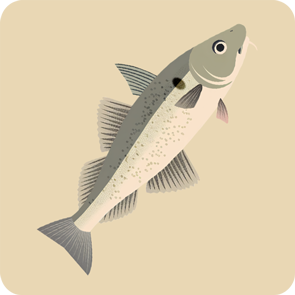
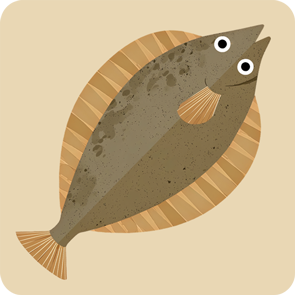
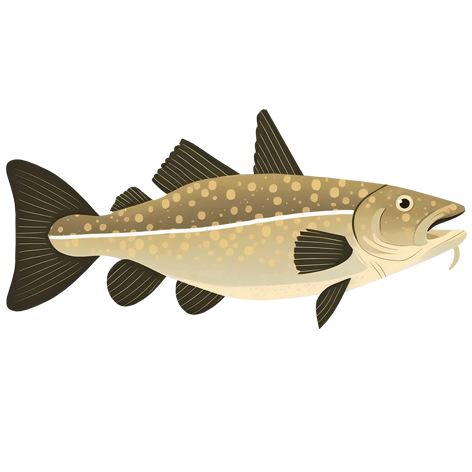
Cod Fish
A lean, white fish known for its mild flavor and flaky texture. Packed with high-quality protein and essential nutrients, it makes a healthy, versatile addition to meals.
165
1 medium fillet
(200 grams)
CAL
A
Nutri-Score
Rich in protein, low in fat, and an excellent source of vitamin B12 and iodine.
Value per 100 grams & per cup (150g):
80 kcal | 125 kcal
Protein
23 grams / 35 grams
Fats
0.9 grams / 1.4 grams
Carbohydrates
None
Fiber
None
Vitamins & Nutrients
- Vitamin B12: Essential for nerve function and red blood cell formation.
- Vitamin D: Supports bone health and immune function.
- Iodine: Helps regulate thyroid function and metabolism.
- Phosphorus: Supports bone and teeth health, and energy metabolism.
Satiety and Feelings
Cod fish is low in fat but high in protein, making it a satisfying meal option. Its mild flavor makes it adaptable to various recipes without overwhelming the palate.
What does 100 g look like?
About 1 small fillet or 1/2 medium fillet (depending on thickness) or 1/2 cup cooked flakes.
What does 2000/2500 calories look like?
About 15 medium fillets (2 kg)
Daily Value per 100 grams %
Did you know?
Cod has been a staple food in Norse and European diets for centuries, especially in regions around the North Atlantic.
Cod liver oil is a well-known supplement derived from the liver of cod, packed with omega-3 fatty acids and vitamins A and D.
The largest cod on record weighed over 100 pounds and was caught off the coast of Norway.
Cod is one of the most sustainable fish choices, with many fisheries adhering to sustainable practices.
Drawback
Low in fat, meaning it lacks the omega-3 fatty acids found in fattier fish like salmon.
Mercury content can be a concern in larger fish, though cod tends to have lower mercury levels than some other species.
Overfishing in certain regions has led to sustainability concerns, though responsible fisheries are in place.
- Always check for the MSC label.