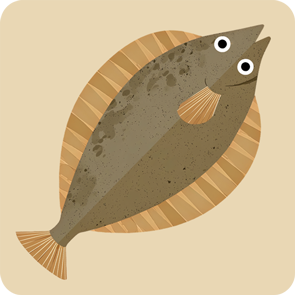
Snow Pea

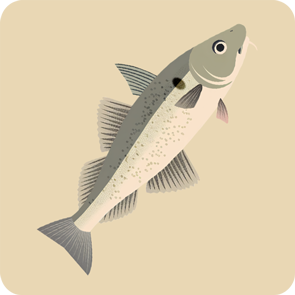
Carp
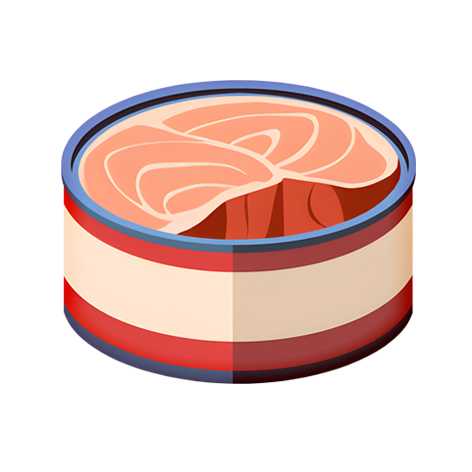
Canned Tuna
A pantry staple, canned tuna is a protein-packed and versatile food. Whether added to salads, sandwiches, or pasta, it’s a quick and nutritious way to support muscle maintenance and heart health.
175
1 can
(150 grams drained weight)
CAL
A
Nutri-Score
High in protein, low in fat, and a convenient source of omega-3 fatty acids.
Value per 100 grams & per cup (150g):
115 kcal / 175 kcal
Protein
25 grams / 40 grams
Fats
3 grams / 4.5 grams
Carbohydrates
None
Fiber
None
Vitamins & Nutrients
- Vitamin D: Supports bone health and immune function.
- Vitamin B12: Essential for nerve function and red blood cell formation.
- Niacin (B3): Aids in energy production and skin health.
- Omega-3 fatty acids: Promote heart and brain health.
Satiety and Feelings
Thanks to its high protein content, canned tuna provides a strong sense of fullness and supports muscle recovery. Its lack of carbohydrates makes it a favorite in low-carb and ketogenic diets.
What does 100 g look like?
About 2/3 of a standard can or 2/3 cup of flaked tuna.
What does 2000/2500 calories look like?
Roughly 13 cans of flaked tuna (2 kg).
Daily Value per 100 grams %
Did you know?
- Tuna is one of the most consumed fish worldwide, thanks to its shelf stability and mild flavor.
- Canned tuna was first produced in the early 1900s as a replacement for sardines.
- Skipjack and albacore are the most commonly canned tuna species.
- Canned tuna is a significant source of selenium, which supports thyroid function and protects cells from oxidative stress.
Drawback
May contain mercury, especially in larger species like albacore; it’s best to limit intake to 2–3 servings per week.
Often high in sodium, depending on the brand. Look for low-sodium versions if needed.
Environmental concerns exist around overfishing and bycatch (dolphins, sharks, whales, turtles, etc) in tuna fisheries. Choose sustainably sourced tuna when possible.
- Always check for the MSC label.