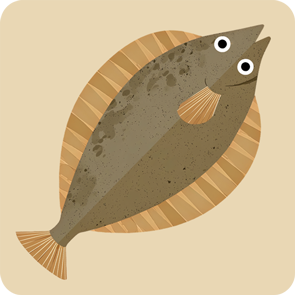
Haddock

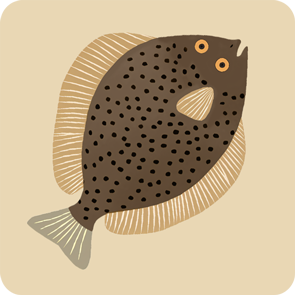
Halibut
Drawback
Very mild taste may require herbs, spices, or sauces for flavor.
Can flake apart easily when cooking if overhandled.
Sustainability varies — look for MSC-certified hake to ensure responsible fishing.


Haddock
Halibut
Haddock
Halibut
Lean and protein-rich, low in fat, and a great source of essential nutrients.
15.3 grams | 23 grams
1 gram | 1.2 grams
None
None
Hake is a light yet filling option due to its high protein content and low fat. Its soft, flaky texture makes it easy to digest while still satisfying.
Roughly half of a medium fillet, about the size of your palm, or around 2/3 cup chopped raw hake.
About 13 hake fillets (2.5 kg | 5.5 lbs) or 15–20 cups chopped raw hake.
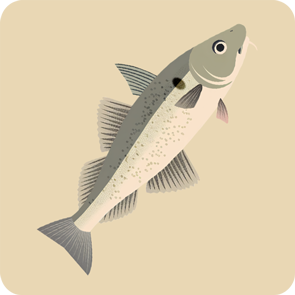
Hake belongs to the cod family, but tends to have a softer texture and slightly sweeter flavor.
Found mainly in the Atlantic and Mediterranean, hake is especially popular in Spanish, Portuguese, and South African cuisines.
It is often used in traditional dishes like Basque-style hake (merluza a la vasca).
Hake fillets are so delicate that they’re often frozen at sea immediately after catch to maintain freshness.
Very mild taste may require herbs, spices, or sauces for flavor.
Can flake apart easily when cooking if overhandled.
Sustainability varies — look for MSC-certified hake to ensure responsible fishing.