Tilapia

Tuna
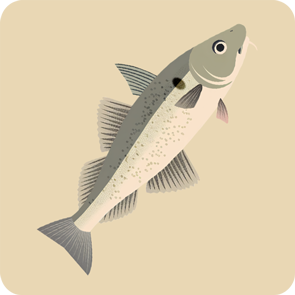
Trout
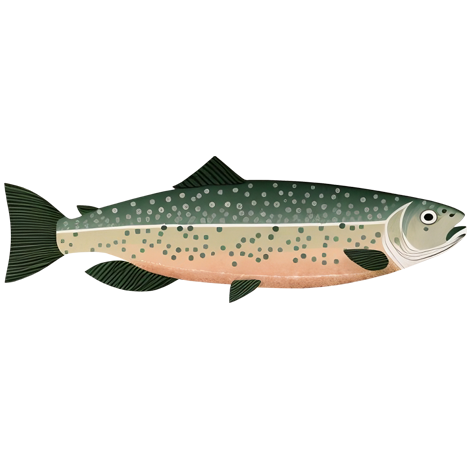
A freshwater fish with mild flavor and delicate texture, popular for their nutritional benefits, including high protein and omega-3s.
220
1 medium trout
rainbow trout
(150 grams)
CAL
A
Nutri-Score
Rich in omega-3s and high-quality protein.
Value per 100 grams & per cup (150g):
150 kcal | 220 kcal
Protein
20 grams | 30 grams
Fats
7 grams | 10.5 grams
Carbohydrates
None
Fiber
None
Vitamins & Nutrients
- Vitamin D: Supports bone health and immune function.
- Omega-3 Fatty Acids: Promotes heart health and reduces inflammation.
- Potassium: Helps regulate fluid balance and muscle function.
- Vitamin B12: Essential for nerve function and the production of red blood cells.
Satiety and Feelings
Trout provides a satisfying, tender texture and is high in protein, which helps curb hunger and keeps you feeling full longer. The healthy fats provide sustained energy.
What does 100 g look like?
a small fillet about the size of a deck of cards or the palm of your hand.
What does 2000 | 2500 calories look like?
About 17-20 medium fillets (3.4-4.0 kg or 7.5-8.8 lbs).
Other types of trout (200 grams | 7 ounces)
| Species | Calories (per 200g) | Notes |
|---|---|---|
| Rainbow Trout | ~250 kcal | Popular freshwater trout; mild flavor with moderate fat content. |
| Brook Trout | ~210 kcal | Native to Eastern North America; lean and slightly sweet taste. |
| Brown Trout | ~230 kcal | Common in Europe and North America; richer flavor and moderate fat. |
| Lake Trout | ~280 kcal | Found in deep, cold lakes; higher fat content, flavorful. |
| Cutthroat Trout | ~220 kcal | Native to Western North America; lean and tender flesh. |
| Golden Trout | ~215 kcal | Small, brightly colored trout; delicate flavor, low fat. |
Daily Value per 100 grams %
Did you know?
- Trout are found in both freshwater and saltwater, with the most popular species being Rainbow Trout and Brown Trout.
- Rainbow Trout was named after its iridescent colors, which are especially vibrant in the wild.
- Trout is an important part of many freshwater ecosystems, helping maintain balance by feeding on insects, small fish, and plants.
- Some species, like the Brown Trout, can live for up to 20 years, while others have a lifespan of 4-7 years.
- Trout are known to be impressive jumpers and can leap up to 2 meters (about 6.5 feet) in the air. This ability helps them navigate obstacles like waterfalls or rivers while migrating or escaping predators.
Drawback
Trout can have mercury contamination, especially larger fish, which should be consumed in moderation.
Farmed trout may contain higher levels of PCBs (harmful chemicals).
Farmed trout may have higher fat content due to the feed, which may affect omega-3 levels.
- Sustainability concerns arise with poorly managed farm systems.
- Always check for the MSC label.