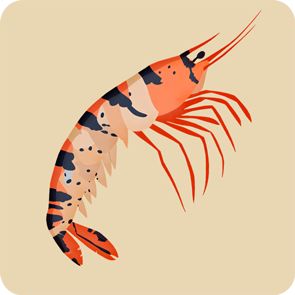
Langoustine

Lobster

Limpet
With their chewy texture and briny flavor, limpets are a traditional seafood delicacy in coastal regions, rich in lean protein and trace minerals
15
1 medium / no shell
(20 grams)
CAL
A
Nutri-Score
High in protein, low in fat, and a source of essential minerals.
Value per 100 grams & per cup (180g):
85 kcal | 155 kcal
Protein
18.5 grams | 33.5 grams
Fats
0.5 grams | 0.7 grams
Carbohydrates
1 grams | 1.6 grams
Fiber
None
Vitamins & Nutrients
- Iron: Helps transport oxygen in the blood and prevent fatigue.
- Magnesium: Supports muscle function and bone health.
- Vitamin B12: Crucial for nerve function and red blood cell formation.
- Zinc: Supports immune health and wound healing.
Satiety and Feelings
Limpets are chewy and protein-rich, which can help keep you full longer. Their salty flavor may also stimulate appetite or satisfy seafood cravings.
What does 100 g look like?
About 7 shelled limpets or 3/4 cup chopped cooked meat (without shell).
What does 2000/2500 calories look like?
About 350 limpets (3.5 kg) without shell.
Daily Value per 100 grams %
Did you know?
- Lobsters were once so abundant they were fed to prisoners and servants or used as fertilizer. As they became scarcer and transport improved, they were rebranded as a luxury delicacy in the late 1800s.
They can live over 50 years, with some reports suggesting even longer in the wild.
Lobsters have blue blood, thanks to a copper-based molecule called hemocyanin.
They grow by molting, shedding their old shell and forming a new one — a vulnerable time when they’re soft-shelled.
Lobsters are found in cold coastal waters, especially along the North Atlantic coasts of North America and Europe.
Drawback
May be tough or rubbery if overcooked — slow cooking or tenderizing helps.
High sodium if prepared in brine or saltwater.
Hard to source fresh, and often requires manual cleaning of grit or shell bits.
Always check for the MSC label.