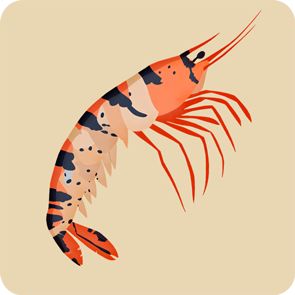
Tiger Shrimp

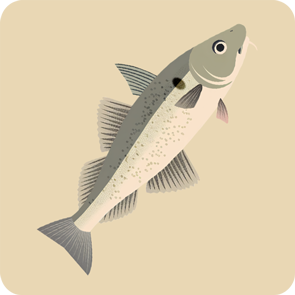
Trout
Tilapia
Tilapia is a mild-flavored, lean fish often enjoyed for its versatility in various cooking methods, from grilling to frying.
135
1 medium fillet
(150 grams)
CAL
A
Nutri-Score
Rich in protein and a great source of B vitamins, especially B12, and phosphorus.
Value per 100 grams & per cup (150g):
90 kcal | 135 kcal
Protein
20 grams | 30 grams
Fats
1.5 grams | 2.5 grams
Carbohydrates
None
Fiber
None
Vitamins & Nutrients
- Vitamin B12: Supports nerve health and helps produce red blood cells.
- Phosphorus: Essential for healthy bones and teeth.
- Niacin (Vitamin B3): Supports metabolism and promotes skin health.
- Selenium: An antioxidant that helps protect against oxidative stress.
Satiety and Feelings
Tilapia provides a light, satisfying meal with a mild taste and firm texture. Due to its protein content, it can help with fullness and muscle repair.
What does 100 g look like?
About half of a medium fillet (size of a deck of cards) or roughly 1/2 cup of cooked tilapia.
What does 2000 | 2500 calories look like?
About 20-25 tilapia fillets (4-5 kg | 9-11 lbs).
Daily Value per 100 grams %
Did you know?
- Tilapia is often called the “aquatic chicken” due to its mild flavor and easy adaptability to different cuisines.
- Tilapia is one of the most sustainable fish to farm, with many species raised in controlled, eco-friendly environments.
- Although native to Africa and the Middle East, Tilapia is now widely farmed and consumed around the world.
- Tilapia was important in ancient Egypt, where it was cultivated in the Nile River as a primary source of protein, often featured in Egyptian artwork, and was even considered a symbol of abundance.
- Tilapia is omnivorous, feeding on algae, plants, and small invertebrates, making it easy to farm efficiently.
Drawback
Some farmed tilapia may contain higher levels of omega-6 fatty acids, which can be problematic if consumed in excess.
Overconsumption of farmed tilapia can lead to concerns about water pollution and unsustainable farming practices in some regions.
- Tilapia are considered invasive in areas such as the United States, Australia, and parts of South America, where they have been introduced and can outcompete native species, disrupt ecosystems, and reduce biodiversity.
- Always check for the MSC label.