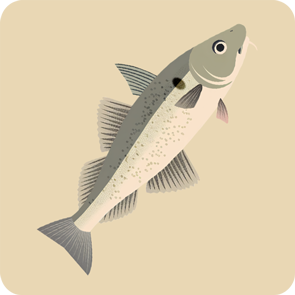

Pangasius

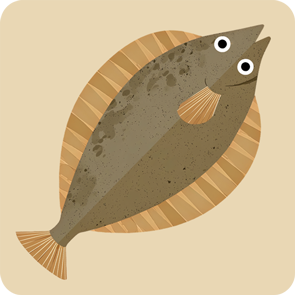
Plaice
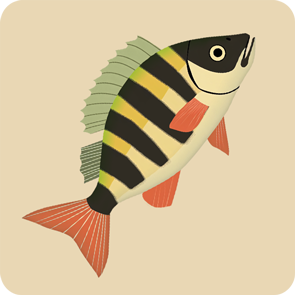
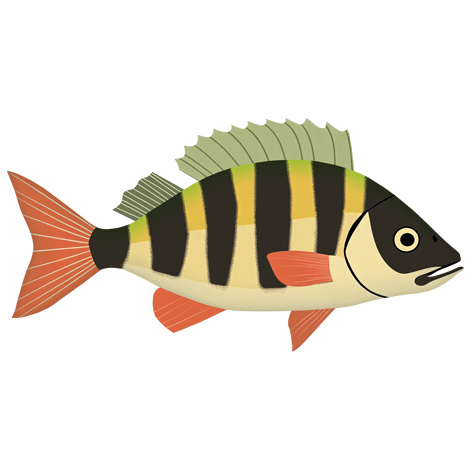
Perch
A mild, flaky white fish, perch is a lean source of high-quality protein. Its delicate flavor and low fat content make it a healthy choice for grilling, baking, or pan-frying.
180
1 medium fillet
(150 grams)
CAL
A
Nutri-Score
High in protein, low in fat, and a great source of essential vitamins and minerals.
Value per 100 grams & per cup (140g):
120 kcal | 180 kcal
Protein
20 grams | 30 grams
Fats
1.5 grams | 2.25 grams
Carbohydrates
None
Fiber
None
Vitamins & Nutrients
- Vitamin B12: Essential for red blood cell formation and nerve function.
- Phosphorus: Helps maintain strong bones and teeth.
- Selenium: Acts as an antioxidant and supports the immune system.
- Omega-3 fatty acids: Beneficial for heart and brain health, though in modest amounts compared to oily fish.
Satiety and Feelings
Thanks to its high protein content, perch is filling and satisfying without being heavy. It provides sustained energy and can help with muscle repair and appetite control.
What does 100 g look like?
About 1/3 of a medium fillet or roughly 1/2 cup cooked, flaked fish (size of a deck of playing cards or the palm of your hand (without fingers).
What does 2000/2500 calories look like?
About 10 medium perch fillets, or roughly 4¼ to 5 cups cooked, flaked fish (~1.7 to 2.1 kilograms / 3.7 to 4.6 pounds)
Daily Value per 100 grams %
Did you know?
Perch is a freshwater fish commonly found in lakes and rivers across Europe and North America.
It’s a popular catch among recreational anglers due to its abundance and ease of cooking.
Yellow perch is the most commonly eaten species, known for its slightly sweet, tender flesh.
In some regions, perch is traditionally pan-fried whole with herbs and butter.
Despite its small size, perch is nutrient-dense and low in mercury, making it a safe and healthy seafood choice.
Drawback
- Contains small, fine bones that can be hard to remove completely.
- May be overfished in some regions—sustainable sourcing is important.
- Like all fish, perch may contain trace pollutants depending on the water it came from.
- Always check for the MSC label.