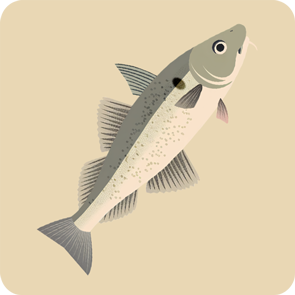
Surimi

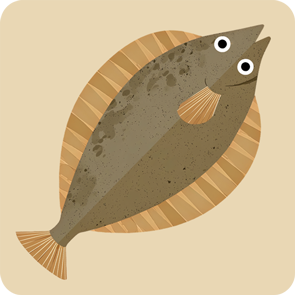
Tilapia
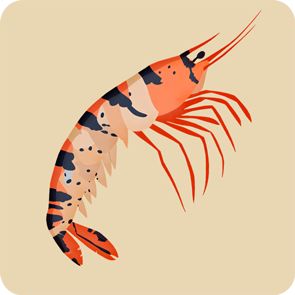
Tiger Shrimp
Tiger shrimp are large, striped crustaceans with sweet, firm flesh. Native to the Indo-Pacific, commonly farmed and enjoyed in seafood dishes.
20
1 medium shrimp
(20 grams)
CAL
A
Nutri-Score
Rich in protein, low in fat, and contains essential minerals like iodine and selenium.
Value per 100 grams & per cup (150g):
100 kcal / 150 kcal
Protein
25 grams / 35 grams
Fats
0.3 grams / 0.45 grams
Carbohydrates
0.2 grams / 0.3 grams
Fiber
None
Vitamins & Nutrients
- Iodine: Supports thyroid function and metabolism.
- Selenium: Acts as an antioxidant and supports immune function.
- Vitamin B12: Important for red blood cell production and nervous system health.
- Omega-3 Fatty Acids: Support heart health and reduce inflammation.
Satiety and Feelings
Tiger shrimp are a lean protein, offering lasting energy without feeling heavy. However, they are low in fiber, so they may not keep you full for long.
What does 100 g look like?
About 6–7 medium-sized shrimp (around 4–5 cm each), or roughly a half cup of shelled shrimp.
What does 2000/2500 calories look like?
About 17 swordfish steaks (3.5 kg)
Daily Value per 100 grams %
Vitamin B12
50%
Selenium
75%
Omega-3 fatty acids
30%
Copper
20%
Fiber
0%
Protein
50%
Sodium (Salt)
5%
Carbohydrates
1%
Total Fat
1%
Saturated Fat
Saturated Fat
1%
Cholesterol
65%
Sugar (natural)
0%
Calories
5%
Did you know?
- Tiger shrimp are named for their striped, tiger-like appearance on their shells.
- Native to Southeast Asia, tiger shrimp are now widely farmed in many coastal regions.
- These shrimp can grow as long as 33 cm (13 inches), though most farmed shrimp are harvested smaller.
- They have strong, sharp claws and can swim quickly by propelling themselves backward using their tail.
- The black tiger shrimp is particularly well-known for its striking black-and-white striped shell.
Drawback
Environmental impact: Tiger shrimp farming has been linked to mangrove deforestation and pollution.
- Shrimp farms can be prone to diseases like white spot syndrome, which may require the use of antibiotics and chemicals.
Invasive species: Some farmed tiger shrimp have become invasive in non-native areas, affecting local ecosystems.
- Shrimp can trigger allergic reactions in some individuals, ranging from mild symptoms to severe anaphylaxis.
- Always check for the MSC label.