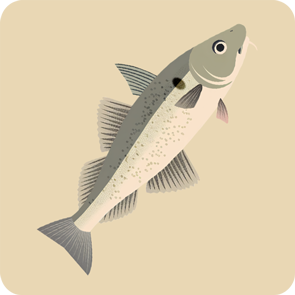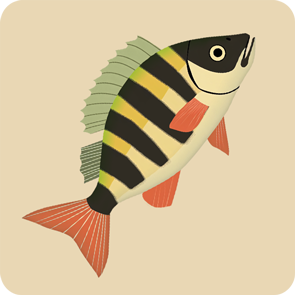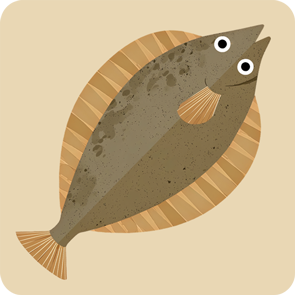
Halibut

Jellyfish
Herring Fish
A flavorful, oil-rich fish, herring is popular in both fresh and preserved forms. It’s often pickled, smoked, or grilled. A go-to in many traditional cuisines, from Dutch to Scandinavian.
300
1 medium fillet
(150 grams)
CAL
A
Nutri-Score
Rich in omega-3 fatty acids, vitamin D, and high-quality protein
Value per 100 grams & per cup (150g):
200 kcal | 300 kcal
Protein
23 grams | 34.5 grams
Fats
12 grams | 18 grams
Carbohydrates
None
Fiber
None
Vitamins & Nutrients
- Omega-3 Fatty Acids (EPA & DHA): Promote heart and brain health.
- Vitamin D: Supports bone health and immune function.
- Vitamin B12: Essential for red blood cells and nerve function.
- Selenium: Protects cells from oxidative stress.
Satiety and Feelings
Herring’s rich fat content makes it highly satisfying and filling. A little goes a long way in curbing hunger and providing sustained energy.
What does 100 g look like?
Roughly half a medium fillet, about the size of a deck of cards, or 1/2 cup chopped.
What does 2000 | 2500 calories look like?
About 5 herring fish (1 kg | 2.2 lbs).
Daily Value per 100 grams %
Did you know?
Herring has been a staple in Northern European diets for centuries, especially in Dutch, German, and Scandinavian cuisines.
In the Netherlands, raw herring is traditionally eaten by holding it by the tail and biting upward.
Pickled herring is rich in probiotics, which support gut health.
Herring is considered one of the most sustainable fish to eat due to its fast reproduction and abundance.
Despite being oily, herring is actually lower in mercury than many other fish.
Drawback
Strong flavor and aroma, which some people find overpowering.
High in fat, which boosts calories—easy to overconsume.
Often served with salt or in brine, which increases sodium intake.
- Always check for the MSC label.