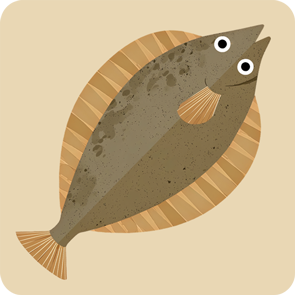
Salmon

Sardine
Salted Anchovy
Salty, savory, and umami-rich with big nutritional impact. They’re often used in sauces, dressings, and pizzas, but also deliver a powerful punch of healthy fats and essential nutrients when eaten whole.
10
1 fillet
(5 grams)
CAL
E
Nutri-Score
Packed with omega-3 fatty acids, protein, and calcium, but also high in sodium.
Value per 100 grams & per cup (80g):
210 kcal / 170 kcal
Protein
29 grams / 23 grams
Fats
11 grams / 9 grams
Carbohydrates
None
Fiber
None
Vitamins & Nutrients
- Omega-3 fatty acids: Support heart and brain health.
- Calcium: Strengthens bones, especially when eating the whole fish with bones.
- Vitamin B12: Vital for red blood cell production and nervous system function.
- Selenium: Acts as an antioxidant and supports thyroid health.
- Vitamin D: Aids in calcium absorption and immune support.
Satiety and Feelings
Salted anchovies, while high in protein and healthy fats, are also quite salty, which may increase thirst. The combination of salt and fat can make them satisfying in small quantities, but it's important to be mindful of sodium intake.
What does 100 g look like?
About 14–18 salted anchovies, depending on size, or about 1 cup whole fish (packed loosely).
What does 2000/2500 calories look like?
About 220 anchovies (1 kg)
Daily Value per 100 grams %
Did you know?
- Salted anchovies have been preserved for centuries in Mediterranean and Asian cuisines, especially for umami-rich dishes.
- Traditional anchovies are often salted and aged, concentrating their flavor and enhancing their nutritional value.
- Salted anchovies are sometimes used in sauces like Worcestershire, contributing to their deep savory taste.
Drawback
High sodium content: Can contribute to increased blood pressure if consumed in excess.
High in fats and calories, which can be problematic in large amounts.
May cause dehydration due to their salt content.
- Always check for the MSC label.