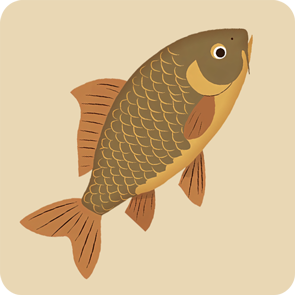
Carp

Catfish
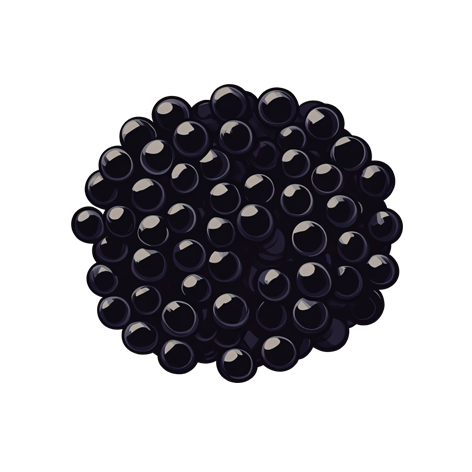
Caviar
A luxurious treat made from fish eggs, offering a rich, briny flavor. It’s packed with nutrients like omega-3s and protein, making it a healthy yet indulgent snack in moderation.
40
1 tbsp
(15 grams)
CAL
E
Nutri-Score
High in protein, rich in omega-3 fatty acids but high in sodium.
Value per 100 grams & per cup (125g):
265 kcal / 315 kcal
Protein
25 grams | 30 grams
Fats
18 grams | 22.5 grams
Carbohydrates
4 grams | 5 grams
Fiber
None
Vitamins & Nutrients
- Vitamin A: Supports healthy vision and immune function.
- Vitamin B12: Important for nerve function and red blood cell production.
- Omega-3 Fatty Acids: Essential fats that promote heart health and reduce inflammation.
- Iron: Helps in the production of red blood cells and oxygen transport.
Satiety and Feelings
Caviar provides a rich, luxurious flavor with a creamy texture. Its briny nature can stimulate the appetite and add a sense of indulgence without the need for large quantities.
What does 100 g look like?
About 4 tablespoons or about 1/2 cup.
What does 2000/2500 calories look like?
About 55 tablespoons or 3.5 cups of caviar.
Daily Value per 100 grams %
Did you know?
Caviar is the eggs of sturgeon fish, often considered a luxury food.
The term “caviar” refers specifically to sturgeon roe, though other fish eggs are sometimes used.
Caviar was historically considered a peasant food in Russia, but by the 19th century, it became a sought-after delicacy.
Beluga caviar comes from the Beluga sturgeon, one of the largest fish in the world.
Drawback ⚠️
High in sodium, which can contribute to high blood pressure when consumed excessively.
Rich in cholesterol, which may not be suitable for those with heart disease or high cholesterol levels.
Expensive and often hard to come by due to the overfishing of sturgeon.
Sustainability concerns, as some species of sturgeon are endangered due to overharvesting.
- Always check for the MSC label.