
Jellyfish

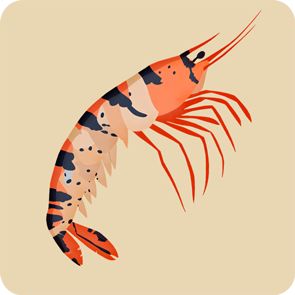
Langoustine

King Crab
With its delicate flavor and nutrient-packed meat, this giant crab is a luxurious yet healthy seafood option perfect for any occasion.
130
1 leg, cooked
(140 grams)
CAL
A
Nutri-Score
High in protein, low in fat, and a rich source of iodine, selenium, and vitamin B12.
Value per 100 grams & per cup (150g):
85 kcal / 125 kcal
Protein
20 grams | 25 grams
Fats
0.6 grams | 0.7 grams
Carbohydrates
None
Fiber
None
Vitamins & Nutrients
- Vitamin B12: Supports nerve function and red blood cell formation.
- Selenium: Acts as an antioxidant, protecting cells from damage.
- Iodine: Essential for thyroid function and metabolism.
- Phosphorus: Vital for healthy bones and teeth.
- Vitamin E: Helps maintain healthy skin and immune function.
Satiety and Feelings
King Crab is a high-protein, low-fat option that’s both satisfying and light, making it a perfect choice for a nutritious, filling meal without the excess calories.
What does 100 g look like?
About 1 leg or about ½ cup of cooked, shelled meat. Visually, this resembles a deck of playing cards in size.
What does 2000/2500 calories look like?
About 20 King Crab legs (3 kg / 6.5 lbs).
Daily Value per 100 grams %
Did you know?
King Crab, also known as Alaskan King Crab, is native to the cold waters of the North Pacific.
It is a delicacy in many cuisines, often featured in dishes like crab legs and seafood boils.
Rich in iodine, King Crab supports thyroid health and metabolic function.
Its sweet, tender meat is considered superior to many other shellfish.
Sustainable fishing practices are essential to preserve King Crab populations due to their popularity.
Drawback
- Shellfish allergies are common; individuals allergic to other crustaceans should avoid King Crab.
- High sodium content may be a concern for those monitoring their sodium intake.
- Overfishing in certain regions has raised sustainability concerns; opt for responsibly sourced King Crab.
- Always check for the MSC label.