Sausage Roll

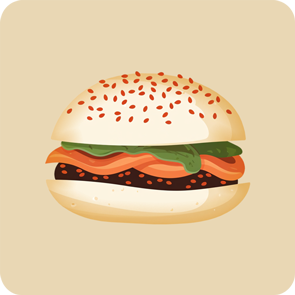
Steamed Bun
Summer Roll
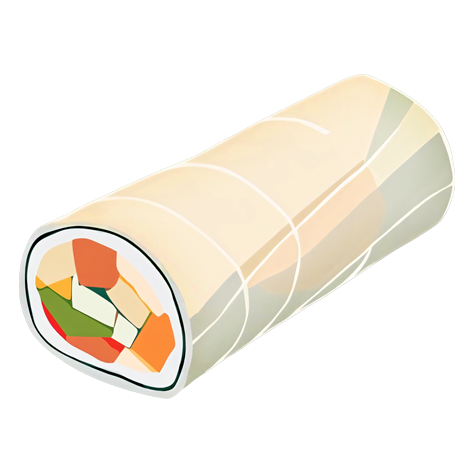
A fresh, non-fried roll made with rice paper and typically filled with shrimp, lettuce, herbs, rice noodles, and vegetables. Often served with peanut or hoisin dipping sauce.
60
1 roll
(60 grams)
CAL
B
Nutri-Score
Contains protein and fiber but also moderate sodium and fats.
Value per 100 grams & per cup (90g):
100 kcal | 60 kcal
Protein
4 grams | 2.5 grams
Fats
1 gram | 0.5 grams
Carbohydrates
20 grams | 12 grams
Fiber
2 grams | 1 gram
Vitamins & Nutrients
- Vitamin A: Supports healthy vision and immune function.
- Vitamin C: Helps with collagen production and antioxidant protection.
- Iron: Vital for oxygen transport in the blood.
- Magnesium: Supports muscle and nerve function.
Satiety and Feelings
Vietnamese spring rolls feel light and fresh, offering modest satiety from protein and carbs, but limited lasting fullness unless paired with a dipping sauce or more substantial ingredients.
What does 1 roll look like?
About 10–12 cm (4–5 inches) long, 3 cm (1 inch) wide, translucent with visible herbs and shrimp.
What does 100 g look like?
Roughly 2 spring rolls.
What does 2000 | 2500 calories look like?
About 25 rolls, or 12 ½ cups chopped (1.25 kg / 2.76 lbs).
Daily Value per 100 grams %
Did you know?
Vietnamese spring rolls are also called gỏi cuốn, meaning “salad rolls.”
Unlike fried spring rolls, they are not cooked—just rolled.
The rice paper used is thin and slightly chewy once moistened.
Common dipping sauces include hoisin-peanut or nuoc cham (fish sauce based).
Drawbacks ⚠️
Low in fiber unless filled with lots of veggies.
Dipping sauces can add sugar and sodium.
Not very filling on their own—can lead to overeating.