Port Wine

Rice Wine
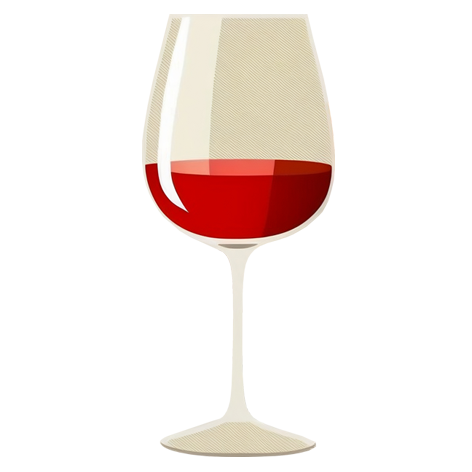
Red Wine
Red wine is made from dark-colored grape varieties, fermented with skins to give it its deep color and rich flavor. It pairs well with red meats, cheeses, and hearty dishes.
150
1 wine glass serving
(175 ml)
CAL
E
Nutri-Score
Contains sugars and alcohol.
Value per 100 ml & per cup (240ml):
85 kcal | 205 kcal
Protein
None
Fats
None
Carbohydrates
3 grams | 6 grams
Fiber
None
Vitamins & Nutrients
- Antioxidants (Resveratrol & Polyphenols): Support heart health and may reduce inflammation.
- Small amounts of potassium: Helps maintain fluid balance and muscle function.
Satiety and Feelings
Red wine provides light energy with minimal lasting fullness. Its rich flavor and antioxidants make it popular for social occasions, but excess intake can lead to dehydration.
What does 1 serving (100 ml) look like?
About half a cup, served in a standard wine glass.
What does 100 ml look like?
Exactly half a cup.
What does 2000 | 2500 calories look like?
About 12 cups or 3 liters.
Daily Value per 100 milliliter %
Did you know?
Red wine is fermented with grape skins, giving it its deep color and tannins.
It contains resveratrol, an antioxidant linked to potential heart benefits.
Popular varieties include Cabernet Sauvignon, Merlot, and Pinot Noir.
Red wine generally has 12-15% alcohol by volume (ABV).
Drawbacks ⚠️
Contains alcohol and sugar, adding to calorie intake.
No fiber or protein, so it offers low satiety.
Excess consumption may cause dehydration and hangovers.
Some people may be sensitive to sulfites used as preservatives.