Tomato Juice

Apple Juice
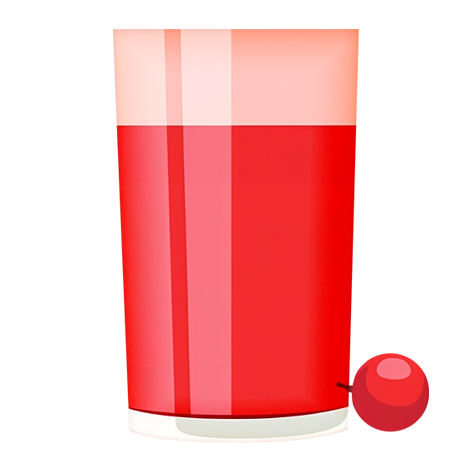
Cranberry Juice
A tart, refreshing juice known for its bright flavor and potential urinary tract benefits, cranberry juice is enjoyed both plain and as a cocktail mixer.
115
1 cup
(240 ml)
CAL
C
Nutri-Score
Contains vitamin C, potassium, and natural sugars, but lacks fiber and may spike blood sugar when consumed in excess.
Value per 100 ml & per cup (240ml):
50 kcal | 115 kcal
Protein
0.1 grams | 0.2 grams
Fats
None
Carbohydrates
10 grams | 25 grams
Fiber
0.1 grams | 0.2 grams
Vitamins & Nutrients
- Vitamin C: Supports immune function and skin health.
- Vitamin K: Important for blood clotting.
- Manganese: Aids metabolism and antioxidant defense.
- Anthocyanins & flavonoids: Antioxidants, may support urinary tract health
Satiety and Feelings
Cranberry juice is low in calories but high in natural sugars, providing a quick energy boost but limited lasting fullness.
What does 100 ml look like?
A little less than half a cup, roughly ⅖ of a cup.
What does 2000 | 2500 calories look like?
About 50 cups or 12 liters.
Daily Value per 100 milliliter %
Did you know?
Cranberry juice is often used to help prevent urinary tract infections.
It contains proanthocyanidins, which may help prevent bacteria from sticking to the urinary tract.
Cranberries are native to North America and have been used by Indigenous peoples for centuries.
Many commercial juices have added sugar to balance tartness.
Drawbacks ⚠️
Often contains added sugars which increase calorie content and impact dental health.
Low in fiber, so it provides limited digestive benefits.
Excessive consumption may cause stomach upset due to acidity.
Some people may be allergic to cranberries or experience interactions with blood thinners.