Orange Liqueur

Piña Colada
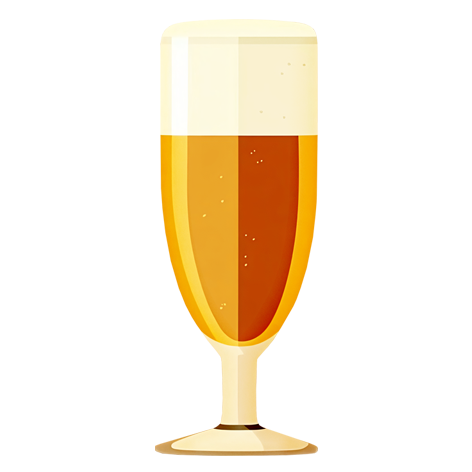
Pilsner Beer
A sweet, tangy beverage made from pressed oranges, orange juice is a breakfast staple around the world. Often consumed fresh or pasteurized, it delivers a refreshing dose of citrus flavor.
140
1 can/bottle
(330 ml)
CAL
E
Nutri-Score
Low in vitamins and minerals
Value per 100 ml & per cup (240ml):
45 kcal | 105 kcal
Protein
0.4 grams | 1 gram
Fats
None
Carbohydrates
3 grams | 7 grams
Fiber
None
Vitamins & Nutrients
- B Vitamins (B6, B12, Niacin): Support energy metabolism.
- Potassium: Helps maintain fluid balance and muscle function.
- Magnesium: Important for muscle and nerve function.
Satiety and Feelings
Pilsner beer offers moderate energy and refreshment but has low satiety due to lack of fiber and protein. It’s a popular choice for social drinking.
What does 1 serving (355 ml) look like?
About 1 and 1/2 cups, roughly one standard beer bottle or can.
What does 100 ml look like?
Less than half a cup.
What does 2000 | 2500 calories look like?
About 13 cans or 4.5 liters.
Daily Value per 100 milliliter %
Did you know?
Pilsner beer originated in Plzeň, Czech Republic, in 1842.
It was the first pale lager and inspired many modern beers worldwide.
Known for its distinct hop bitterness and clear golden color.
Typically has 4-5% alcohol by volume (ABV).
Drawbacks ⚠️
Contains alcohol and carbohydrates, adding to calorie intake.
Excess drinking can cause dehydration and impaired judgment.
Some may be sensitive to gluten in beer.