Manila Clam

Chicken Soup
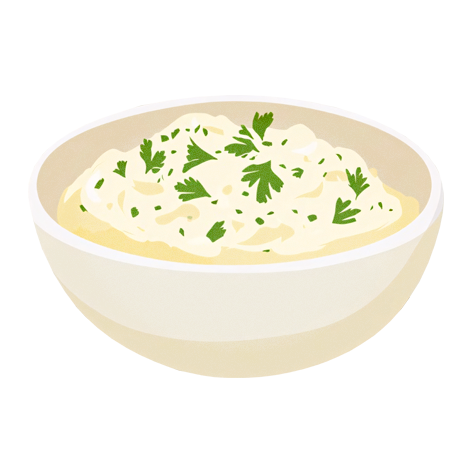
Tartar
A tangy, creamy condiment, tartar sauce is often paired with fried seafood and made with mayonnaise, pickles, and herbs for a refreshing burst of flavor.
30
1 tbsp
(15 grams)
CAL
E
Nutri-Score
Contains fats and mayonnaise-based calories, with some sodium from pickles and condiments.
Value per 100 grams & per cup (240g):
210 kcal | 505 kcal
Protein
1 gram | 2.5 grams
Fats
17 grams | 40 grams
Carbohydrates
13 grams | 31 grams
Fiber
None
Vitamins & Nutrients
- Vitamin E: Acts as an antioxidant, protecting cells from damage.
- Vitamin K: Supports blood clotting and bone health.
- Omega-9 fatty acids: May support heart health.
- Vitamin B12: Helps maintain nerve function and supports red blood cell formation.
- Choline: Supports brain development and liver function.
Satiety and Feelings
Tartar sauce is rich in fats, giving it a creamy texture that adds flavor but does not provide lasting fullness.
What does 100 g look like?
About 6–7 tablespoons.
What does 2000 | 2500 calories look like?
≈ 3 ½ cups / 420–450 grams / 0.92–0.99 lbs
Daily Value per 100 grams %
Did you know?
Tartar sauce likely originated in France and is named after the Tartars, a central Asian people, though the connection is mostly nominal.
It pairs best with fried seafood, adding tangy creaminess.
Most store-bought versions contain preservatives to extend shelf life.
Drawbacks ⚠️
High in fats, especially saturated fats, which may impact heart health.
Contains sodium, which can increase blood pressure if consumed in large amounts.
Often made with processed mayonnaise, which may include emulsifiers and additives.