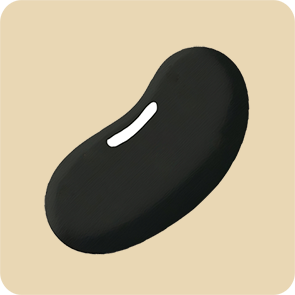
Flageolet Bean
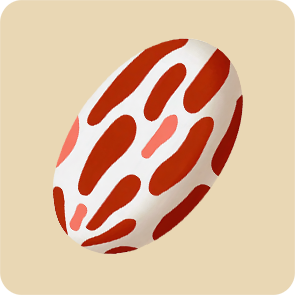
Candle Nut
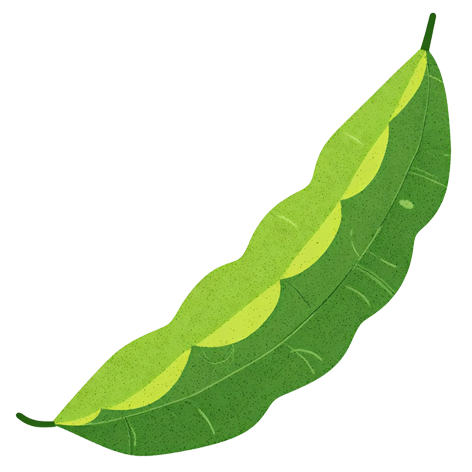
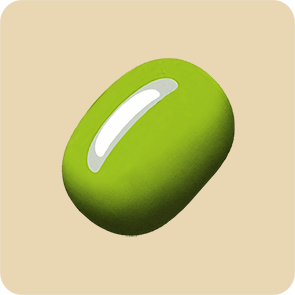
Winged Bean
A tropical legume with distinctive four-angled pods, winged beans are often used in Southeast Asian cuisine. All parts of the plant—pods, leaves, flowers, and tubers—are edible and highly nutritious.
10
1 pod, fresh
(15 grams)
CAL
A
Nutri-Score
Contains protein, fiber, and vitamins, but can be high in natural sugars if eaten in large amounts.
Value per 100 grams & per cup (170g):
120 kcal | 200 kcal
Protein
7 grams | 12 grams
Fats
0.5 grams | 0.85 grams
Carbohydrates
20 grams | 35 grams
Fiber
5 grams | 8.5 grams
Vitamins & Nutrients
- Vitamin C: Supports immune function and skin health.
- Iron: Essential for blood and energy production.
- Vitamin B9 (Folate): Important for DNA synthesis and red blood cell formation.
- Magnesium: Supports muscle and nerve function, as well as energy production.
Satiety and Feelings
Winged beans are rich in protein and fiber, providing good satiety and sustained energy. Their tender, slightly crunchy pods and versatile edible parts make them a unique addition to salads, stir-fries, and soups.
What does 100 g look like?
About ⅔ cup of pods or chopped beans.
What does 2000|2500 calories look like?
Approximately 10 cups (1.7 kg).
Daily Value per 100 grams %
Did you know?
Winged beans (also called goa beans or four-angled beans) are native to Southeast Asia and have been cultivated for centuries.
Every part of the plant—pods, leaves, flowers, seeds, and tubers—is edible, making it highly valued for nutritional versatility.
In traditional agriculture, winged beans are used in crop rotation because they fix nitrogen, improving soil fertility.
Drawbacks ⚠️
Overconsumption may cause bloating or gas due to high fiber content.
Rarely, raw pods may contain antinutrients, which can reduce mineral absorption.
If eaten excessively, the high protein content may be hard on digestion for some individuals.