Pea
Cannellini Bean
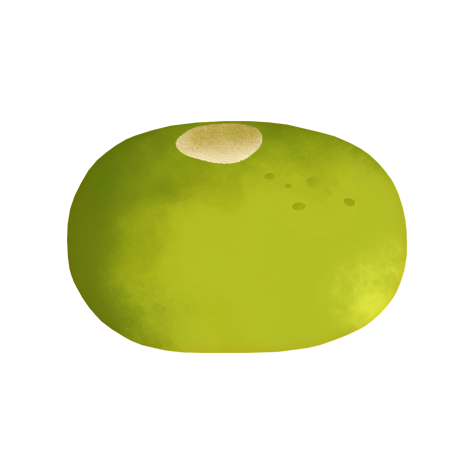
Pigeon Pea
Small but packed with protein and fiber, mung beans are a versatile legume that fuels your body and keeps hunger at bay. Perfect for sprouting or cooking, they’re a nutritious staple in many dishes worldwide.
200
1 cup, cooked
(170 grams)
CAL
A
Nutri-Score
Contains protein, fiber, and iron, but can be high in sodium if canned or salted.
Value per 100 grams & per cup (200g):
120 kcal | 200 kcal
Protein
7 grams | 12 grams
Fats
0.5 grams | 0.85 grams
Carbohydrates
20 grams | 35 grams
Fiber
5 grams | 8.5 grams
Vitamins & Nutrients
- Potassium: Promotes fluid balance and muscle function.
- Iron: Essential for blood and energy production.
- Vitamin B9 (Folate): Important for DNA synthesis and red blood cell formation.
- Magnesium: Supports muscle and nerve function, as well as energy production.
Satiety and Feelings
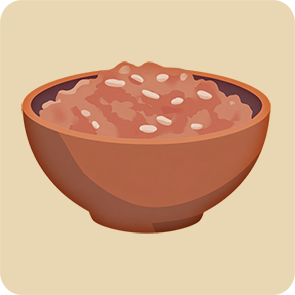
Pigeon peas are high in protein and fiber, making them filling and providing sustained energy. Their nutty flavor pairs well with rice, curries, and stews.
What does 100 g look like?
About ⅔ cup cooked peas.
What does 2000|2500 calories look like?
Approximately 10 cups cooked (1.7 kg).
Daily Value per 100 grams %
Did you know?
Pigeon peas (also called toor dal in India) have been cultivated for thousands of years, originally in India and East Africa.
They are a staple in Caribbean and Indian cuisine, used in dishes like arroz con gandules and dal.
Pigeon peas are known for their ability to fix nitrogen in soil, making them important in sustainable agriculture.
In the Caribbean, they are often cooked with coconut milk for flavor, while in India they are split and used in spiced lentil curries.
Drawbacks ⚠️
Overconsumption may cause bloating or gas due to high fiber content.
Canned pigeon peas may contain added sodium, which can affect blood pressure.
Raw or undercooked peas contain antinutrients, which may reduce absorption of some minerals.