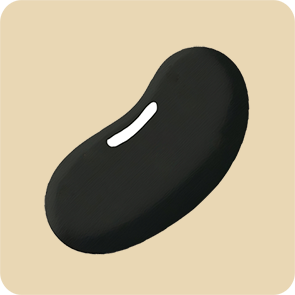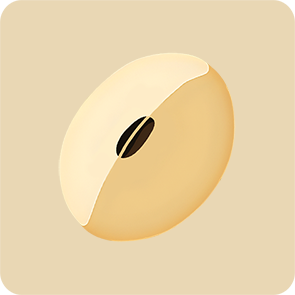
Soy Bean

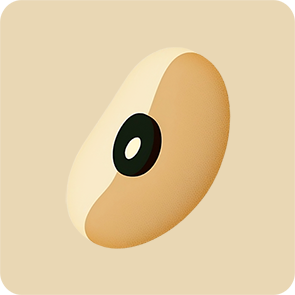
Lupin Bean

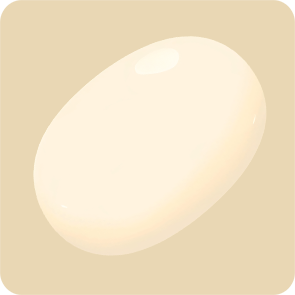
Split Pea
Split peas offer a mild, earthy flavor and a creamy texture when cooked, making them perfect for soups and stews. They support digestive health and help maintain steady blood sugar levels.
230
1 cup, cooked
(200 grams)
CAL
A
Nutri-Score
High in protein, rich in fiber, and packed with complex carbohydrates.
Value per 100 grams & per cup (200g):
115 kcal | 230 kcal
Protein
8.5 grams | 16.5 grams
Fats
0.4 grams | 0.8 grams
Carbohydrates
20 grams | 40 grams
Fiber
8.5 grams | 16.5 grams
Vitamins & Nutrients
- Folate (Vitamin B9): Essential for DNA synthesis and cell repair.
- Iron: Vital for oxygen transport in the blood.
- Magnesium: Supports muscle and nerve function.
- Vitamin A: Promotes healthy vision and immune function.
Satiety and Feelings
Split peas provide a hearty, creamy texture with a high fiber and protein content that helps keep hunger at bay and supports steady energy levels.
What does 100 g look like?
About 1/2 cup cooked split peas, or roughly 4 heaping tablespoons.
What does 2000|2500 calories look like?
About 9 cups cooked split peas — roughly 1.8 kilograms (4 lbs) or 20 medium servings.
Daily Value per 100 grams %
Did you know?
Split peas have been cultivated for thousands of years and are a staple in many traditional cuisines worldwide.
They are simply dried peas that have been split in half to reduce cooking time.
Split peas are an excellent source of plant-based protein and dietary fiber.
They are often used in hearty soups, such as the classic split pea soup.
Their high fiber content supports digestive health and helps regulate blood sugar.
Drawbacks ⚠️
May cause gas or bloating in some individuals due to high fiber and oligosaccharides.
Contain antinutrients like phytates that can reduce mineral absorption if not cooked well.
Some people may be sensitive to lectins present in legumes.