Stilton Cheese

Pea
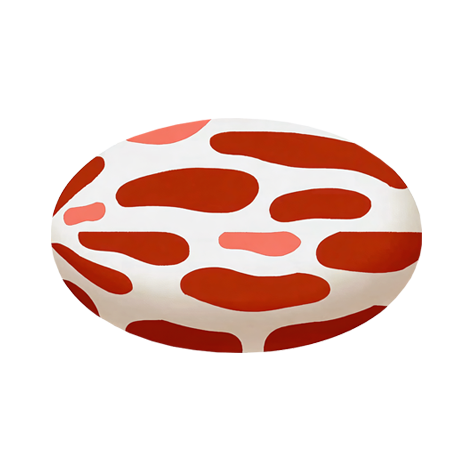
Cranberry Bean
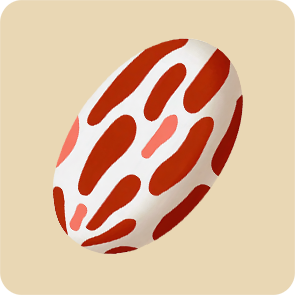
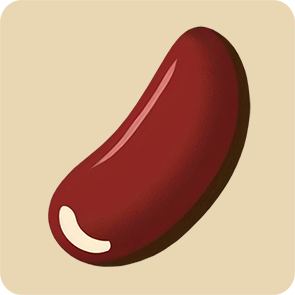
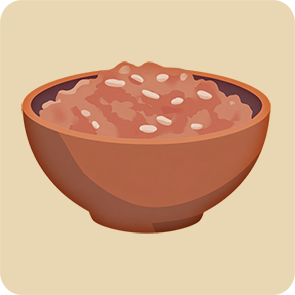
A speckled red-and-white bean with a creamy texture, cranberry beans are often used in soups, stews, and Italian dishes like pasta e fagioli.
240
1 cup, cooked
(170 grams)
CAL
A
Nutri-Score
Contains protein, fiber, and iron, but can be high in sodium if canned.
Value per 100 grams & per cup (170g):
140 kcal | 240 kcal
Protein
7.5 grams | 13 grams
Fats
0.5 grams | 0.85 grams
Carbohydrates
25 grams | 45 grams
Fiber
5 grams | 8.5 grams
Vitamins & Nutrients
- Potassium: Promotes fluid balance and muscle function.
- Iron: Essential for blood and energy production.
- Vitamin B9 (Folate): Important for DNA synthesis and red blood cell formation.
- Magnesium: Supports muscle and nerve function, as well as energy production.
Satiety and Feelings
Cranberry beans are high in fiber and protein, making them very filling and great for sustained energy. Their mild, nutty flavor makes them ideal in stews and pasta dishes.
What does 100 g look like?
About ⅔ cup cooked beans.
What does 2000|2500 calories look like?
Approximately 10 cups cooked (1.5 kg).
Daily Value per 100 grams %
Did you know?
Cranberry beans, also called borlotti beans in Italy, are known for their striking red-and-white speckled appearance, which becomes more pronounced when cooked.
They were first cultivated in South America and later became popular in Italian cuisine, especially in pasta e fagioli and bean salads.
These beans were valued historically for their nutrient density and ease of storage, helping sustain families through long winters.
Drawbacks ⚠️
High in sodium if canned, which can impact blood pressure.
Contains antinutrients (like phytates) that may reduce absorption of some minerals.
Overconsumption may cause bloating or gas due to high fiber content.