Pigeon Pea
Great Northern Bean
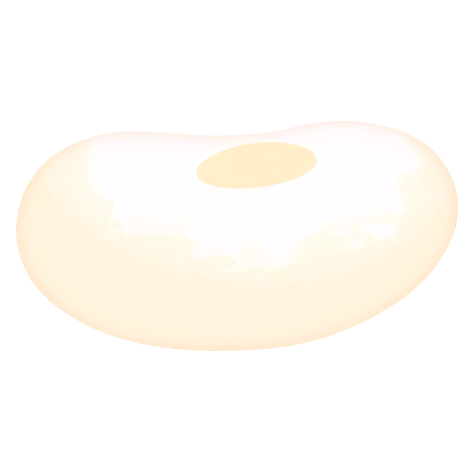
Cannellini Bean
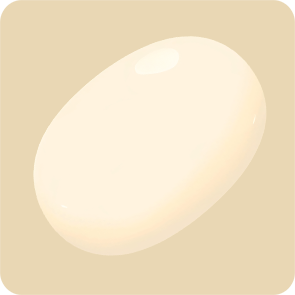
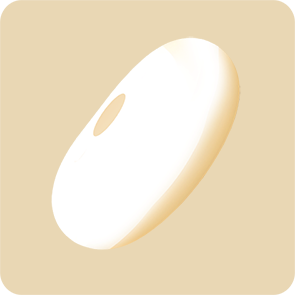
A creamy white bean commonly used in soups, stews, and salads, cannellini beans are known for their mild flavor and smooth texture.
250
1 cup, cooked
(180 grams)
CAL
A
Nutri-Score
Contains protein, fiber, and iron, but can be high in sodium if canned.
Value per 100 grams & per cup (180g):
145 kcal | 250 kcal
Protein
8 grams | 15 grams
Fats
0.5 grams | 1 gram
Carbohydrates
27 grams | 45 grams
Fiber
5 grams | 8.5 grams
Vitamins & Nutrients
- Vitamin C: Supports immune function and skin health.
- Vitamin A: Supports vision and cell growth.
- Potassium: Promotes fluid balance and muscle function.
- Iron: Essential for blood and energy production.
Satiety and Feelings
Cannellini beans are high in fiber and protein, making them filling and great for sustained energy. Their mild flavor makes them versatile in many dishes.
What does 100 g look like?
About ⅔ cup.
What does 2000|2500 calories look like?
Approximately 8 cups cooked (1.35 kg).
Daily Value per 100 grams %
Did you know?
Cannellini beans are also known as white kidney beans and are a staple of Italian cuisine, especially in Tuscan soups like minestrone.
They have been cultivated in Italy for centuries, prized for their creamy texture and ability to absorb flavors from herbs and sauces.
Traditionally, Tuscan families would dry cannellini beans after harvest and store them for winter, making them a reliable staple food.
Drawbacks ⚠️
High in sodium if canned, which can impact blood pressure.
Contains antinutrients (like phytates) that may reduce absorption of some minerals.
Overconsumption may cause bloating or gas due to high fiber content.