Pistachio

Peanut
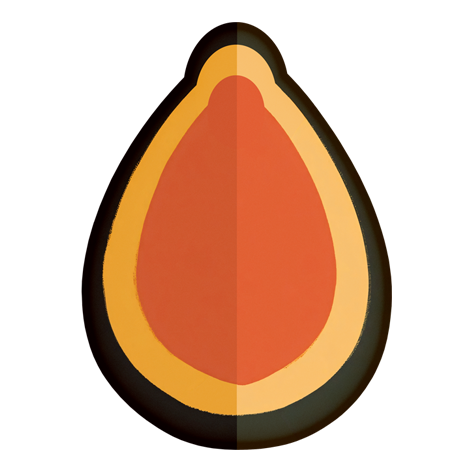
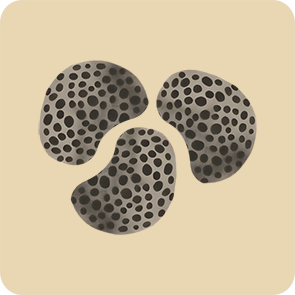
Watermelon Seed
Watermelon seeds are nutrient-packed, offering a good source of protein, healthy fats, and minerals. Often roasted and eaten as a snack, they provide energy and important nutrients in a small package.
50
1 tbsp
(10 grams, shelled)
CAL
A
Nutri-Score
High in protein, healthy fats, and minerals like magnesium and zinc.
Value per 100 grams & per cup (120g):
560 kcal | 672 kcal
Protein
28 grams | 34 grams
Fats
47 grams | 56 grams
Carbohydrates
15 grams | 18 grams
Fiber
3.5 grams | 4.2 grams
Vitamins & Nutrients
- Magnesium: Supports muscle function and heart health.
- Zinc: Important for immune system and metabolism.
- Iron: Helps oxygen transport in blood.
- Healthy fats: Mostly unsaturated fats beneficial for the heart.
Satiety and Feelings
Watermelon seeds are filling and energizing due to their high protein and fat content. They make a crunchy, nutritious snack.
What does 100 g look like?
About 3/4 cup shelled seeds.
What does 2000|2500 calories look like?
About 3.9 cups shelled (470 grams | 1.04 lbs).
* Bad or good fats?
Contains Monounsaturated Fats: Help reduce LDL (bad) cholesterol and support heart health. So nutritionally, this is protective fat, not harmful fat.
Daily Value per 100 grams %
Did you know?
Watermelon seeds have been eaten for thousands of years, especially in Africa and Asia.
They’re often roasted and salted as a popular snack in many cultures.
Despite the name, watermelon seeds are a nutrient-rich superfood packed with protein and healthy fats.
In traditional medicine, watermelon seeds have been used to support kidney and urinary health.
Drawbacks ⚠️
High in calories and fats, so portion control is important.
Some people may find them hard to digest if eaten in large amounts.
Can be salty if roasted and salted, contributing to higher sodium intake.