Candle Nut

Ginkgo Nut

Pili Nut
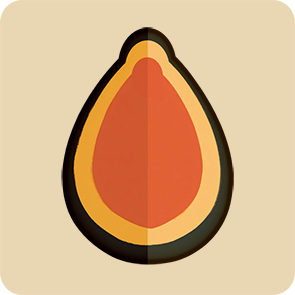
Pili nuts are smooth, buttery nuts native to the Philippines. They are rich in oil, have a creamy texture, and are commonly roasted or used in desserts and snacks.
15
1 nut
(10 grams)
CAL
C
Nutri-Score
Contains healthy fats, protein, and minerals, but very high in calories, making it an energy-dense nut.
Value per 100 grams & per cup (120g):
720 kcal | 865 kcal
Protein
9 grams | 11 grams
Fats
75 grams | 90 grams
Carbohydrates
13 grams | 16 grams
Fiber
8 grams | 10 grams
Vitamins & Nutrients
- Vitamin E: Protects cells from oxidative damage.
- Magnesium: Supports muscle and nerve function.
- Phosphorus: Supports bone and teeth health.
- Potassium: Promotes fluid balance and muscle function.
Satiety and Feelings
Pili nuts are very high in fat and calories, providing long-lasting energy and feeling satiating in small portions.
What does 100 g look like?
About 15–20 pili nuts, roughly the size of macadamia nuts.
What does 2000|2500 calories look like?
About 3 cups (120 g each) or 45–50 nuts, weighing 360–400 g (0.79–0.88 lbs).
* Bad or good fats?
Contains Monounsaturated Fats: Help reduce LDL (bad) cholesterol and support heart health. So nutritionally, this is protective fat, not harmful fat.
Daily Value per 100 grams %
Did you know?
Pili nuts are native to the Philippines and considered a premium nut due to their rich flavor and rarity.
They are highly oil-rich, giving a buttery, almost caramel-like taste.
Commonly used in roasted snacks, desserts, and nut butters.
Pili nuts are cultivated commercially for export and local consumption, prized for their flavor and nutritional content.
Drawbacks ⚠️
Extremely high in calories and fat, so overconsumption can lead to excess calorie intake.
Hard shells require processing before consumption.
Can be expensive due to labor-intensive harvesting.