Chives
Dille
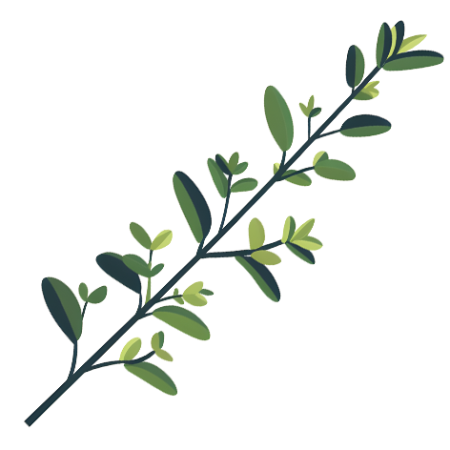
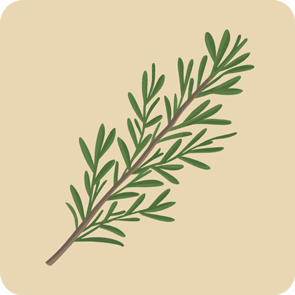
Thyme
A versatile, earthy herb, thyme is often used fresh or dried to season meats, vegetables, soups, and stews, adding a subtle, aromatic depth to dishes.
3
medium sprig
(1 grams)
CAL
A
Nutri-Score
Contains vitamins, minerals, and antioxidants.
Value per 100 grams & per ¼ cup (5g):
100 kcal | 5 kcal
Protein
5.5 grams | 0.30 grams
Fats
1.5 grams | 0.1 grams
Carbohydrates
25 grams | 1 gram
Fiber
15 grams | 1 gram
Vitamins & Nutrients
- Vitamin A: Supports vision and immune function.
- Vitamin C: Boosts immunity and antioxidant defense.
- Vitamin K: Important for blood clotting and bone health.
- Manganese: Supports metabolism and antioxidant defenses.
Satiety and Feelings
Thyme is very low in calories and provides aromatic flavor, but it offers minimal fullness due to low protein content; high fiber (dried) contributes slightly to satiety.
What does 100 g look like?
About 8 cups of loosely packed thyme leaves.
What does 2000/2500 calories look like?
Approximately 580 cups of thyme (58 kg / 128 lbs.)
Daily Value per 10 grams %
Did you know?
Thyme has been used since ancient Egypt for embalming and medicinal purposes.
The Greeks used thyme in baths and as incense to promote courage.
There are several varieties, including common thyme, lemon thyme, and creeping thyme, each with distinct flavors.
Contains thymol, a natural compound with antimicrobial properties.
Drawback
Large quantities can be overpowering in dishes.
May cause allergic reactions in sensitive individuals.
Thymol, while beneficial in moderation, can be toxic in excessive amounts.