Oregano
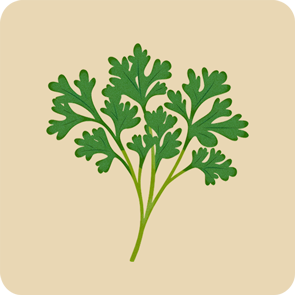
Parsley
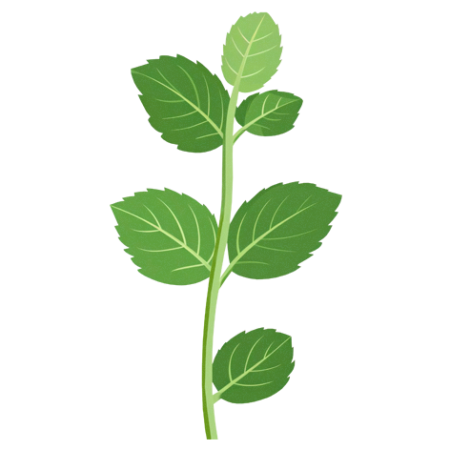
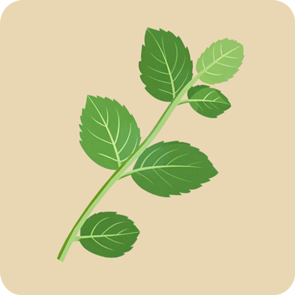
Mint
A cool, refreshing herb, mint is often used in drinks, desserts, and savory dishes, adding a bright, invigorating flavor and aroma.
1
medium sprig
(2 grams)
CAL
A
Nutri-Score
Contains vitamins, minerals, and antioxidants.
Value per 100 grams & per ¼ cup (10g):
45 kcal | 5 kcal
Protein
3.5 grams | 0.15 grams
Fats
0.5 grams | 0.05 grams
Carbohydrates
8.5 grams | 0.40 grams
Fiber
7 grams | 0.35 grams
Vitamins & Nutrients
- Vitamin C: Supports immune system function and skin health.
- Vitamin A: Supports vision and antioxidant defense.
- Iron: Important for blood and energy levels.
- Manganese: Supports metabolism and antioxidant defenses.
Satiety and Feelings
Mint is very low in calories but rich in flavor, which can enhance meals and drinks without adding significant energy. Its fiber content is minimal, so it provides only a slight sense of fullness.
What does 100 g look like?
About 10 cups of loosely packed mint leaves.
What does 2000/2500 calories look like?
Approximately 455 cups of mint (4.5 kg / 9.9 lbs.)
Daily Value per 10 grams %
Did you know?
Mint has been used since ancient Egypt for medicinal and culinary purposes.
The name “mint” comes from the Greek myth of Minthe, a nymph transformed into the plant.
Contains menthol, which has a cooling sensation and soothing effect.
Common varieties include spearmint, peppermint, and chocolate mint, each with distinct flavor profiles.
Drawback
Strong flavor can overpower dishes if overused.
High consumption of peppermint oil may cause heartburn in sensitive individuals.
Large amounts may interact with certain medications.