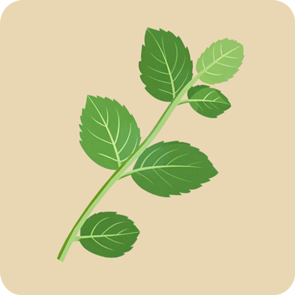
Basil
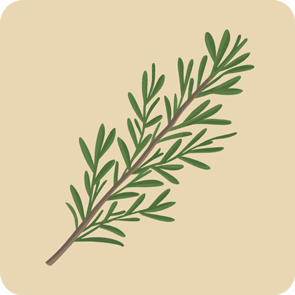
Tarragon
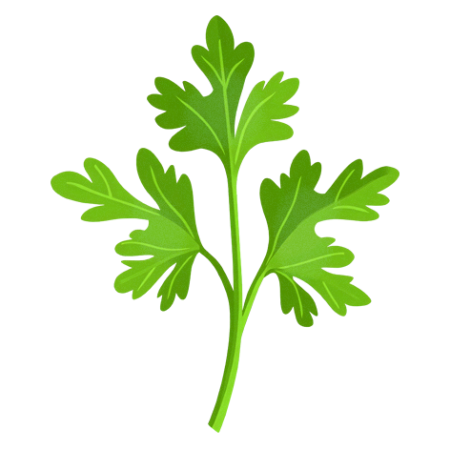
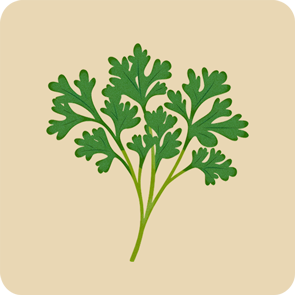
Cilantro
A fresh, citrusy herb, cilantro is often added to salsas, salads, and curries, bringing a bright, lively flavor to a variety of cuisines.
0.2
medium sprig
(20 grams)
CAL
A
Nutri-Score
Contains antioxidants, vitamins, and minerals.
Value per 100 grams & per ¼ cup (5g):
23 kcal | 1 kcal
Protein
2 grams | 0.08 grams
Fats
0.5 grams | 0.02 grams
Carbohydrates
3.7 grams | 0.15 grams
Fiber
2.8 grams | 0.1 grams
Vitamins & Nutrients
- Vitamin K: Promotes healthy blood clotting and bone health..
- Vitamin A: Supports vision and immune health.
- Vitamin C: Supports immune function and skin health..
- Potassium: Supports fluid balance and muscle function.
Satiety and Feelings
Cilantro is very low in calories but adds strong flavor, helping make meals feel more satisfying. Its fiber content is modest, so it contributes slightly to fullness.
What does 100 g look like?
About 6 cups of loosely packed cilantro leaves.
What does 2000/2500 calories look like?
About 870 cups of loosely packed cilantro leaves (14,000 grams / 30.86 lbs.)
Daily Value per 10 grams %
Did you know?
Some people have a genetic variation (often linked to olfactory receptors like OR6A2) that makes cilantro taste soapy, metallic, or like detergent instead of fresh and citrusy.
The distinctive smell comes from aldehydes, natural compounds also found in soap and some insects, which helps explain why some people perceive it as “soapy.”
Cilantro is also called coriander in many countries.
Cilantro belongs to the same plant family as carrots, celery, and parsley (Apiaceae), even though their flavors are very different.
Drawback
Overconsumption may cause digestive discomfort in sensitive individuals.
Some people perceive it as soapy-tasting due to genetics.
As a fresh herb, it wilts quickly and may spoil if not stored properly.