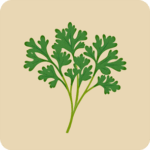
Parsley
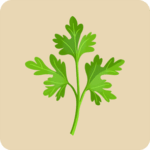
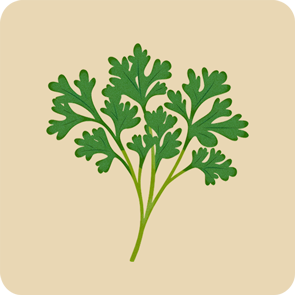
Cilantro

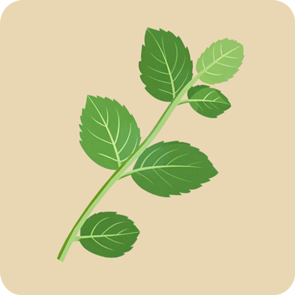
Basil
A fragrant herb commonly used in Italian, Thai, and Mediterranean cuisines, basil adds fresh flavor to dishes like pasta, pesto, and salads.
1
1 medium sprig
CAL
A
Nutri-Score
Contains vitamin K, vitamin A, and antioxidants, supporting blood clotting, vision, and reducing inflammation.
Value per 100 grams & per ½ cup (10g):
25 kcal | 25 kcal
Protein
3 grams | 0.3 grams
Fats
0.5 grams | 0.1 grams
Carbohydrates
3 grams | 0.3 grams
Fiber
1.5 grams | 0.2 grams
Vitamins & Nutrients
- Vitamin K: Supports blood clotting and bone health.
- Vitamin A: Supports vision and immune function.
- Calcium: Promotes bone and teeth health.
- Antioxidants (Flavonoids): Protect cells from oxidative stress.
Satiety and Feelings
Basil is low in calories and mostly used for flavoring, so it does not contribute significantly to fullness.
What does 100 g look like?
About 5 cups of loosely packed fresh basil leaves.
What does 2000/2500 calories look like?
Would require roughly 9 kg / 20 lbs. of fresh basil.
Daily Value per 10 grams %
Did you know?
Basil (Ocimum basilicum) is native to India and other tropical regions of Asia and has been cultivated for over 5,000 years.
- Basil comes in varieties like sweet, Thai, lemon, holy (Tulsi), and purple basil, each with unique flavors, aromas, and historical uses in medicine and rituals.
In ancient Egypt, basil was used in funerary rites and sometimes placed in tombs.
The Italians consider basil a symbol of love and good luck, often planting it near windows or doors.
Basil oil has been historically used in traditional medicine to treat digestive issues, headaches, and inflammation.
Some varieties, like holy basil (Tulsi), are considered sacred in Hindu culture and are used in spiritual rituals.
Basil leaves contain essential oils that give the herb its signature aroma and may offer antimicrobial and anti-inflammatory benefits.
Drawback
- Fresh basil wilts quickly and can spoil in a few days if not stored properly.