Top Food Sources of Vitamin A

Function: Vision, immune function, cell growth

(Retinol)

Vitamin A is a fat-soluble vitamin important for vision, immune function, and cell growth. It’s mainly found in liver, dairy, and orange vegetables like carrots and sweet potatoes.

Crucial for Vision and Immunity – Vitamin A is essential for maintaining healthy vision, especially night vision, and supports the immune system by keeping skin and mucous membranes strong.

Mostly Found in Orange and Green Produce – Rich sources include sweet potatoes, carrots, spinach, kale, and liver. The body converts beta-carotene (a plant pigment) into active Vitamin A.

Fat-Soluble Vitamin – Like other fat-soluble vitamins, it’s best absorbed when eaten with dietary fats like avocado, nuts, or oil.

Supports Skin and Cell Growth – Vital for cell differentiation and skin regeneration, Vitamin A also plays a role in wound healing and maintaining healthy epithelial tissues.

Sensitive to Heat and Oxygen – Cooking can slightly reduce Vitamin A levels, especially prolonged high heat and air exposure. Steaming and light cooking preserve more.

Can Be Toxic in High Doses – Preformed Vitamin A (from animal sources or supplements) can build up in the liver and become toxic if consumed excessively—watch out for high-dose supplements.

Stored in the Liver – The body stores excess Vitamin A in the liver, allowing reserves to last for months, but making balance important.

Pregnancy-Specific Needs – Adequate Vitamin A is essential during pregnancy for fetal development, but excessive amounts (especially from supplements or liver) can cause birth defects.

Beef Liver (Cooked)
Extremely high in preformed Vitamin A (retinol); just a small portion provides far beyond the daily requirement.

Sweet Potatoes (Baked with Skin)

Packed with beta-carotene, a plant-based form of Vitamin A that gives them their bright orange color.

Carrots (Raw or Cooked)

A well-known source of beta-carotene, especially good for eye health and immune support.

Kale (Raw or Cooked)

High in beta-carotene, which the body converts to Vitamin A; also rich in Vitamin K and antioxidants.
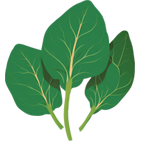
Spinach (Steamed or Sautéed)

Provides a generous amount of Vitamin A, along with iron and folate—great for overall health.

Butternut Squash (Roasted or Steamed)

Delivers a sweet flavor and a high beta-carotene content, supporting vision and skin health.

Red Bell Peppers (Raw or Roasted)

Contain beta-carotene and are also rich in Vitamin C, boosting skin and immune function.

Eggs (Especially the Yolk)

A natural animal-based source of Vitamin A, particularly useful in diets with lower vegetable intake.

Mangoes (Fresh or Frozen)

Provide beta-carotene in a sweet, tropical package—also high in Vitamin C and fiber.
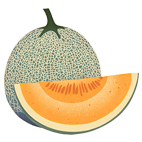
Cantaloupe (Fresh)

A juicy, refreshing fruit rich in beta-carotene and water, great for hydration and Vitamin A intake.

Liver

Skin