Glucose
- The retina has one of the highest metabolic rates in the body.
- Glucose is critical for maintaining visual signal transmission and photoreceptor function.

Vitamin A
(Night Vision & Cornea Health)
- Essential for the production of rhodopsin, a pigment that helps you see in low light.
- Found in carrots, sweet potatoes, spinach, kale, and eggs.

Lutein & Zeaxanthin
(Blue Light Filtering & Retinal Protection)
- Antioxidants that protect the macula (central part of the retina) from damage.
- Found in dark leafy greens, corn, eggs, and yellow/orange vegetables.

Omega-3 Fatty Acids
(Retina Health & Tear Production)
- Help form retinal cells and reduce the risk of dry eyes.
- Found in chia seeds, flaxseeds, walnuts, and fatty fish.

Vitamin C
(Eye Tissue Repair & Antioxidant Support)
- Supports blood vessels in the eyes and protects against oxidative damage.
- Found in citrus fruits, bell peppers, strawberries, and broccoli.

Vitamin E
(Age-Related Vision Protection)
- Helps protect eye cells from damage caused by free radicals.
- Found in nuts, seeds, spinach, and avocados.

Zinc
(Night Vision & Nutrient Transport)
- Helps bring vitamin A from the liver to the retina and is essential for low-light vision.
- Found in legumes, nuts, seeds, and whole grains.

Water
(Hydration & Tear Production)
- Prevents dry eyes and maintains proper eye lubrication.
- Found in water, herbal teas, cucumbers, and watermelon.
Carrots (rich in beta-carotene)
Converted into vitamin A in the body, which is essential for good vision, especially night vision.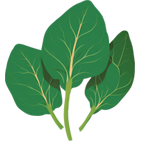
Spinach (also kale, Swiss chard)
Loaded with lutein and zeaxanthin, antioxidants that protect the retina and reduce risk of macular degeneration.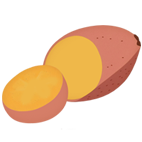
Sweet Potatoes (orange-fleshed varieties)
A great source of beta-carotene and vitamin C, supporting overall eye function.
Salmon (and other fatty fish like sardines)
Packed with omega-3 fatty acids that protect the retina and may prevent dry eyes.
Eggs (especially the yolk)
Contain lutein, zeaxanthin, zinc, and vitamin A—all critical for protecting the eye from light damage.Bell Peppers (red, yellow, and orange)
Rich in vitamin C, which supports blood vessels in the eyes and may prevent cataracts.
Blueberries (and blackberries)
Packed with antioxidants that protect the retina and improve night vision.
Nuts & Seeds (almonds, sunflower seeds, flaxseeds)
Provide vitamin E and omega-3s, both of which reduce risk of age-related eye damage.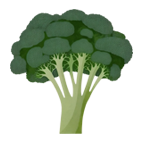
Broccoli (and Brussels sprouts)
Contain vitamin C and antioxidants that protect the eyes from oxidative damage.
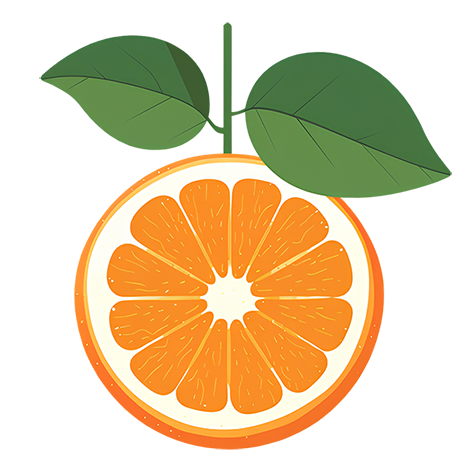
Oranges (and citrus fruits)
High in vitamin C, which supports connective tissue including collagen in the cornea.
Legumes (like lentils and chickpeas)
Good sources of zinc, which helps vitamin A reach the retina and produce protective melanin.
Corn (especially yellow corn)
Contains lutein and zeaxanthin, which help filter harmful blue light and protect the retina.
Sugary Foods (sodas, candy, pastries)
High sugar intake can increase the risk of diabetic retinopathy and blurry vision.
Fried Foods (fried chicken, French fries)
Contain trans fats and oxidized oils that may damage blood vessels in the eyes over time.
Processed Meats (bacon, sausages, deli meats)
Often high in sodium and nitrates, which can contribute to high blood pressure and retinal damage.
White Bread & Refined Carbs (white rice, pasta)
Cause blood sugar spikes, increasing the risk of age-related macular degeneration (AMD).
Margarine (especially hydrogenated types)
May contain trans fats, which raise inflammation and can harm tiny vessels in the eyes.
High-Sodium Snacks (chips, instant noodles)
Excess salt can raise intraocular pressure, increasing the risk of glaucoma.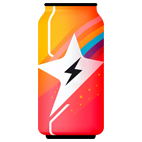
Energy Drinks (and some sports drinks)
Often high in caffeine and sugar, which may cause eye twitching and worsen dry eyes.
Alcohol (excessive consumption)
Can dehydrate the body and eyes, impair nutrient absorption, and increase risk of optic nerve damage.
Artificial Sweeteners (in diet sodas, processed foods)
Some people report blurred vision or dry eyes linked to excessive intake.