Top Food Sources of Cobalt ✓
Function: Red blood cell production
(a transition metal - part of vitamin B12)
Cobalt is a trace mineral essential primarily as part of vitamin B12 (cobalamin), which is crucial for red blood cell production, nerve function, and DNA synthesis.
Integral Part of Vitamin B12 – Cobalt is the central metal ion in vitamin B12, vital for its biological activity.
Supports Red Blood Cell Formation – Through vitamin B12, cobalt helps prevent anemia by aiding healthy red blood cell production.
Essential for Nervous System Health – Vitamin B12-dependent enzymes help maintain myelin sheaths and nerve function.
Involved in DNA Synthesis – Plays a role in cell division and genetic material replication via vitamin B12.
Found Mostly in Animal Products – Cobalt intake depends on vitamin B12-rich foods like meat, dairy, and fish.
Cobalt Deficiency Is Rare – Because vitamin B12 is abundant in animal foods, deficiency usually results from absorption issues rather than lack of cobalt.
Toxicity Possible in Excess – High cobalt exposure (usually industrial or supplements) can cause heart and thyroid problems.
Absorbed Alongside Vitamin B12 – The body efficiently absorbs cobalt when bound within vitamin B12.
Cobalt in Soil Influences Food Content – Levels in plants and animals vary with cobalt concentration in the environment.
Used in Medical Imaging and Industry – Beyond nutrition, cobalt has industrial and medical applications, including radiotherapy.

Beef Liver (Cooked)
One of the richest sources of vitamin B12, hence high in cobalt.
Clams (Cooked)
Extremely high in vitamin B12, providing abundant cobalt.
Oysters (Cooked)
A nutrient-dense shellfish rich in vitamin B12 and cobalt.
Salmon (Cooked)
Provides a good dose of vitamin B12 and essential omega-3s.
Eggs (Whole, Cooked)
Contain moderate vitamin B12, contributing to cobalt intake.
Milk (Whole or Low-fat)
Dairy sources offer vitamin B12 and thus cobalt in small amounts.
Chicken (Cooked Breast or Thigh)
Contains vitamin B12, supporting cobalt intake.
Turkey (Cooked)
Another poultry source rich in vitamin B12.
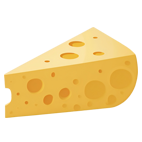
Cheese (Various Types)
Provides vitamin B12 and calcium, adding cobalt to the diet.

Yogurt (Plain, Low-fat)
Fermented dairy rich in vitamin B12 and beneficial probiotics.Explore the Food Groups
See how each food fuels your body and contributes to your daily calorie needs