Top Food Sources of Vitamin E

Function: Antioxidant, protects cells

(Tocopherols & Tocotrienols)

Vitamin E is a fat-soluble antioxidant vitamin that protects cells from damage and supports immune function. It’s mainly found in nuts, seeds, vegetable oils, and green leafy vegetables.

Powerful Antioxidant Protecting Cells – Vitamin E helps protect cell membranes from oxidative damage caused by free radicals, supporting overall cellular health and reducing inflammation.

Fat-Soluble Vitamin – Like Vitamins A and D, Vitamin E is best absorbed when eaten with dietary fats, so including healthy oils or nuts enhances its uptake.

Supports Immune Function and Skin Health – Vitamin E plays a key role in maintaining a strong immune response and promotes healthy skin by aiding repair and reducing UV damage.

Found Mainly in Plant-Based Oils and Nuts – Rich sources include sunflower oil, almonds, hazelnuts, and spinach, making it abundant in many plant-derived foods.

Sensitive to Heat and Light – Vitamin E can degrade with prolonged exposure to heat, light, and oxygen, so fresh and minimally processed sources retain the most potency.

Deficiency is Rare but Possible – Deficiency mostly occurs in people with fat absorption disorders or certain genetic conditions, leading to nerve and muscle problems.

Stored in Fat Tissue and Cell Membranes – Vitamin E is stored in body fat and incorporated into cell membranes, providing ongoing antioxidant protection.

Excessive Supplementation Can Cause Side Effects – Very high doses of Vitamin E supplements may increase bleeding risk and interact with blood-thinning medications, so caution is advised.

Sunflower Seeds (Raw)

One of the richest natural sources of Vitamin E, packed with antioxidants and healthy fats.

Almonds (Raw or Roasted)

High in Vitamin E and heart-healthy monounsaturated fats, great as a snack or added to dishes.

Spinach (Cooked or Raw)

Leafy greens provide a good amount of Vitamin E along with iron and other important nutrients.

Avocado (Raw)

Contains Vitamin E as well as healthy fats that help with its absorption and promote skin health.

Hazelnuts (Raw or Roasted)

Rich in Vitamin E and antioxidants, these nuts support immune function and heart health.

Peanut Butter (Natural, Unsweetened)

A convenient and tasty source of Vitamin E and protein, best with minimal processing.

Wheat Germ Oil (Cold-Pressed)

Extremely high in Vitamin E, often used as a supplement or added in small amounts to dishes.

Broccoli (Cooked or Raw)

Provides Vitamin E along with fiber, vitamins C and K, making it a nutritious vegetable choice.

Kiwifruit (Raw)

Contains modest amounts of Vitamin E and is also rich in Vitamin C and antioxidants.
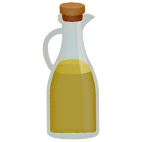
Olive Oil (Extra Virgin)

A healthy fat source with Vitamin E that supports heart health and antioxidant protection.

Liver

Skin